
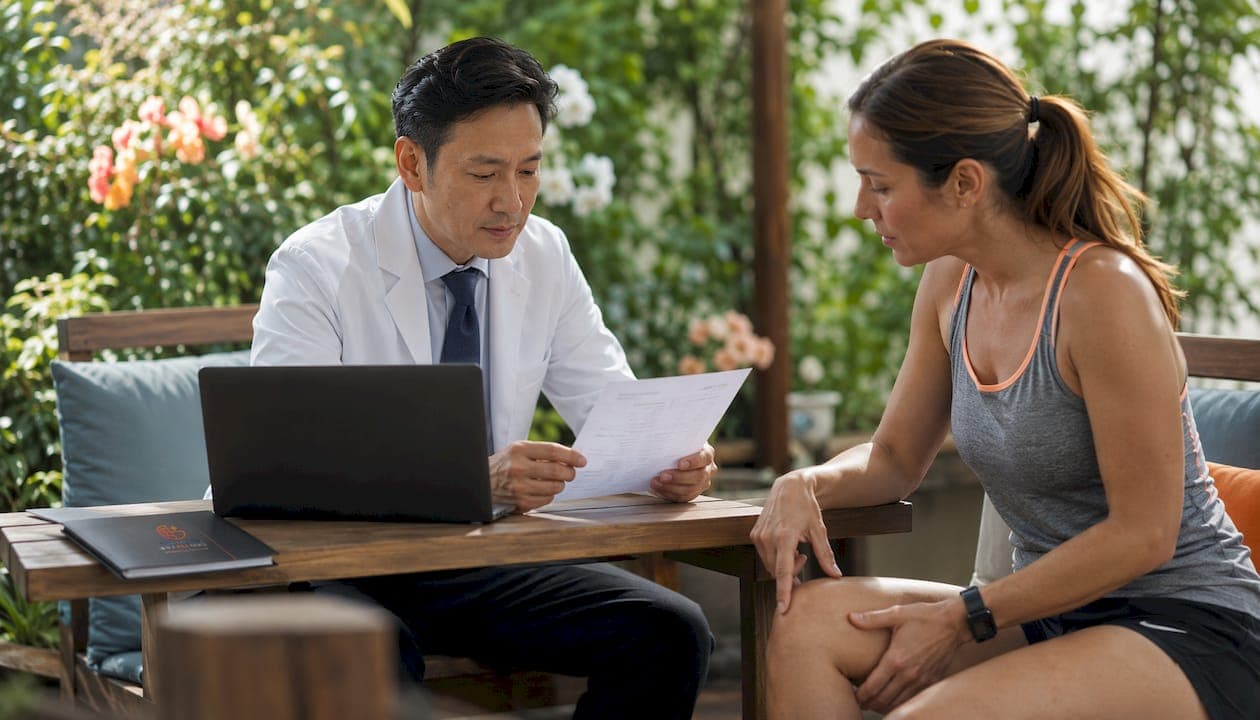
A sports medicine consultation is a specialized medical evaluation focused on diagnosing, treating, and preventing injuries and conditions related to physical activity. It covers the full musculoskeletal system, from tendons and ligaments to bones and joints, with a strong emphasis on non-surgical care and getting patients back to movement as quickly and safely as possible. Unlike a general practitioner visit, this type of evaluation goes deeper into how your body moves, loads, and recovers under physical stress.
A typical consultation includes:
- A thorough review of your medical and activity history
- A functional physical examination, often involving movement tests
- Diagnostic imaging such as X-rays or ultrasound when needed
- A personalized treatment and rehabilitation plan
- Coordination with physical therapists, athletic trainers, or other specialists
The goal is not just to treat what hurts today. Sports medicine physicians focus equally on injury prevention and long-term performance, making the consultation relevant well beyond acute injuries.
Who can benefit from a sports medicine consultation?
The patient base for sports medicine is broader than most people expect. Professional athletes are the obvious candidates, but they represent only a fraction of who actually walks through the door.
- Competitive and recreational athletes dealing with acute injuries or performance plateaus
- Weekend warriors who train irregularly and are prone to overuse injuries
- People with physically demanding jobs, such as construction workers or nurses, who experience repetitive strain
- Older adults looking to maintain mobility, manage joint pain, or return to activity safely
- Anyone recovering from a musculoskeletal injury who wants a structured, evidence-based path back
Early consultation consistently produces better outcomes. Catching a biomechanical imbalance before it becomes a torn ligament is exactly the kind of preventive work sports medicine physicians are trained for.
What qualifications does a sports medicine doctor hold?
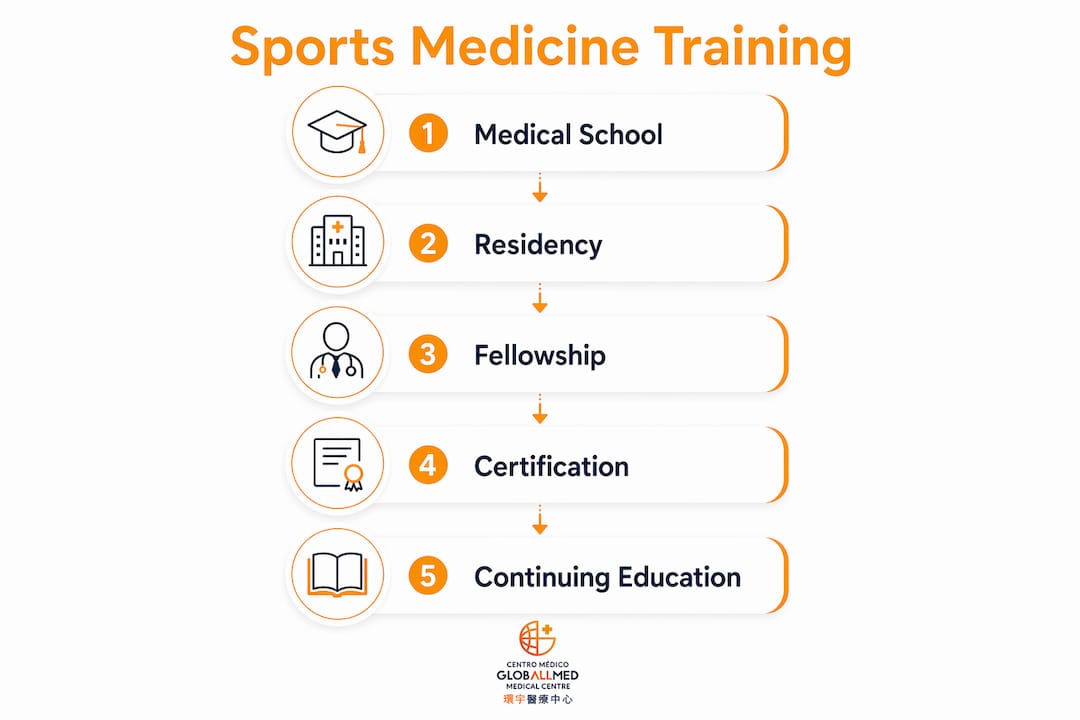
Sports medicine physicians complete a full medical degree followed by a specialized fellowship in sports medicine, which typically focuses on non-operative musculoskeletal care. That fellowship training covers functional assessment, diagnostic imaging interpretation, rehabilitation design, and therapeutic injection techniques.
- Medical degree plus fellowship training in sports medicine or primary care sports medicine
- Expertise in non-operative management of sprains, tendon injuries, fractures, and overuse conditions
- Proficiency in diagnostic tools including musculoskeletal ultrasound and X-ray interpretation
- Collaboration skills for coordinating care with physical therapists, athletic trainers, and nutritionists
- Patient-centered, evidence-based approach that prioritizes function and activity over passive rest
This training distinguishes a sports medicine doctor from a general practitioner who occasionally treats sports injuries. The depth of functional and biomechanical knowledge is what makes the specialist consultation genuinely different.
How does sports medicine differ from orthopedic care?
The clearest distinction is surgical versus non-surgical. Orthopedic surgeons specialize in surgical interventions for severe structural damage, such as ACL reconstruction or joint replacement. Sports medicine physicians, by contrast, focus on non-operative treatment first and only refer for surgery when conservative care has been exhausted.
- Sports medicine prioritizes injury prevention, rehabilitation, and functional recovery without surgery
- Orthopedics addresses structural damage that requires surgical correction
- Both specialties use similar diagnostics, including imaging and physical examination, but the treatment pathways diverge significantly
- Sports medicine places greater weight on load management, movement retraining, and return-to-activity protocols
- The two specialties often work together in complex cases, with sports medicine managing pre- and post-surgical rehabilitation
For most musculoskeletal complaints, a sports medicine consultation is the appropriate first step. Surgery is rarely the first answer.
Common conditions treated during sports medicine consultations
Sports medicine consultations cover a wide spectrum of injuries and conditions, both acute and chronic.
- Acute injuries: sprains, muscle strains, ligament and tendon tears, stress fractures
- Chronic overuse conditions: tendonitis, plantar fasciitis, iliotibial band syndrome, shin splints
- Concussions and head injuries related to contact sports
- Soft tissue injuries including bursitis and muscle contusions
- Injury prevention assessments for athletes with a history of recurring problems
- Performance optimization consultations addressing training load, nutrition, and recovery strategies
- Therapeutic interventions such as ultrasound-guided injections and bracing
The multi-therapy approach used in sports medicine means treatment rarely stops at a single modality. Physical therapy, exercise counseling, and coordinated specialist care are standard components of the plan.
What actually happens during a sports medicine consultation?
The consultation is more thorough than a standard clinic visit, and the physical examination is distinctly functional.
- Medical and activity history review: the physician asks about your training habits, injury timeline, previous treatments, and daily physical demands
- Functional physical examination: you may be asked to walk, squat, or replicate the movement that causes pain, so the physician can observe mechanics in real time
- Diagnostic imaging: X-rays or musculoskeletal ultrasound may be ordered or performed on-site to confirm a diagnosis
- Individualized treatment plan: the physician develops a plan that may include physiotherapy, therapeutic injections, bracing, or exercise modification
- Multidisciplinary coordination: referrals to physical therapists, athletic trainers, or other specialists are common and built into the care model
Pro Tip: Wear comfortable clothing that allows easy access to the affected area, and bring any previous imaging, training logs, or medical records. The more context you provide, the more precise your treatment plan will be.
How to get the most from your sports medicine evaluation
Patients who arrive prepared and engaged consistently get better results. The quality of your activity history directly shapes the quality of your treatment plan.
- Provide a detailed activity history: include training volume, recent changes in load, and any equipment modifications
- Understand load management: the balance between physical stress and recovery is central to how sports medicine physicians design sustainable treatment plans
- Expect non-surgical solutions first: therapeutic injections, physiotherapy, and movement retraining resolve most conditions without an operating room
- Engage actively with your rehabilitation protocol: passive treatment alone rarely produces lasting results; your participation drives the outcome
- Consult early: early intervention reduces the risk of a short-term injury becoming a chronic condition
Reviewing your pre-consultation medical history before your appointment helps you arrive with the details your physician needs to act immediately rather than spend the visit gathering background.
Key Takeaways

A sports medicine consultation delivers structured, non-surgical care that addresses both the injury and the physical demands that caused it, making early evaluation the most effective path to lasting recovery.

| Point | Details |
|---|---|
| Non-surgical first | Sports medicine prioritizes rehabilitation, injections, and load management before any surgical referral. |
| Broader patient base | Weekend warriors, workers with physical jobs, and older adults benefit as much as competitive athletes. |
| Functional examination | Physicians observe real movement patterns, not just static tests, for accurate diagnosis. |
| Early consultation wins | Addressing biomechanical issues early prevents acute injuries from becoming chronic conditions. |
| GLOBALLMED Medical Center | Offers specialist outpatient consultations with a multidisciplinary team for musculoskeletal and sports injury care. |
GLOBALLMED Medical Center offers specialist care for active patients
Patients who need a structured, expert-led path back to physical activity often find that a private outpatient setting delivers faster access and more personalized attention than a general clinic. GLOBALLMED Medical Center, Macau's largest private outpatient clinic, provides exactly that. Its medical clinic department brings together qualified specialists and a multidisciplinary care team to manage musculoskeletal conditions, sports injuries, and rehabilitation under one roof.
Whether you are recovering from a sports injury, managing a chronic overuse condition, or simply want a professional assessment before returning to training, GLOBALLMED Medical Center offers the clinical depth and coordinated care model that sports medicine requires. Book your specialist consultation directly through the website and get a clear, evidence-based plan from day one.