
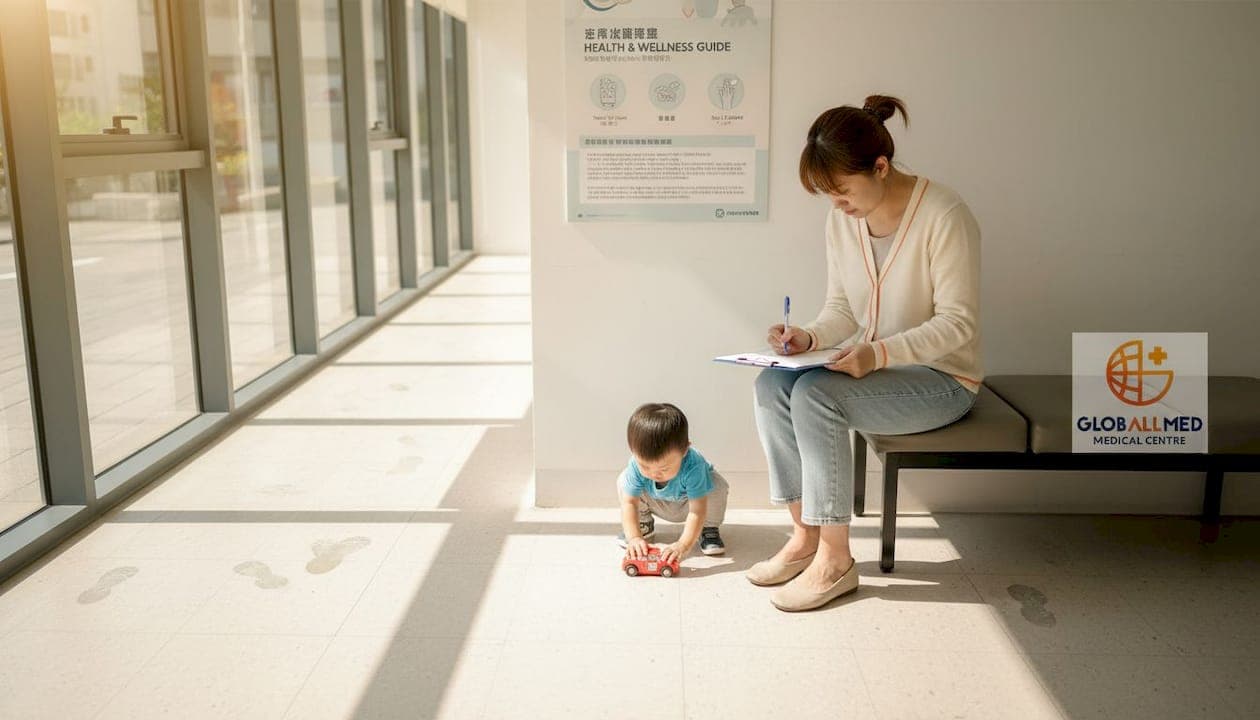
Many people assume outpatient procedures are just quick checkups or minor treatments that barely scratch the surface of real healthcare. The truth is far more significant. Outpatient procedures involve treatments without overnight hospital stays, allowing patients to return home the same day, and they encompass everything from advanced diagnostic tests to cosmetic enhancements and therapeutic interventions. Whether you're a local resident in Macau or considering medical tourism, understanding the full scope of outpatient care empowers you to make informed decisions about your health, beauty, and wellness needs. This guide breaks down what outpatient procedures truly are, their benefits and risks, common examples across medical and cosmetic fields, and how to choose quality care in Macau.
Table of Contents
- Key takeaways
- What outpatient procedures are and how they differ from inpatient care
- Common outpatient procedures: medical, cosmetic, and wellness examples
- Benefits and risks of outpatient procedures
- Choosing the right outpatient clinic in Macau: considerations and tips
- Experience quality outpatient care with Globallmed Macau
- Frequently asked questions about outpatient procedures
Key Takeaways
| Point | Details |
|---|---|
| Definition and scope | Outpatient procedures are treatments you receive and complete the same day without overnight hospital stays, covering diagnostics to cosmetic and therapeutic interventions. |
| Inpatient versus outpatient | The guide contrasts hospital stays with procedures that do not require overnight observation and outlines how safety and recovery differ. |
| Benefits and risks | Outpatient care often lowers costs, speeds recovery, and reduces infection exposure, though individual procedures carry their own risks. |
| Choosing quality care in Macau | Selecting reputable clinics with trained staff and proper accreditation helps ensure safety and good outcomes. |
What outpatient procedures are and how they differ from inpatient care
Outpatient procedures represent a broad category of medical interventions where you receive treatment and return home the same day. No overnight stay required. This stands in sharp contrast to inpatient care, where you're admitted to a hospital and remain under observation for at least one night, often longer depending on the complexity of your condition or surgery.
The distinction matters more than you might think. Inpatient care typically involves major surgeries, serious illnesses requiring constant monitoring, or conditions needing intensive post-operative management. Outpatient procedures cover a surprisingly wide range of treatments that once required hospitalization but now leverage advanced techniques and anesthesia methods to ensure safety without extended stays.
You'll find outpatient services delivered in several settings:
- Specialized outpatient surgery centers equipped with operating rooms and recovery areas
- Private medical clinic departments offering diagnostic and minor surgical procedures
- Cosmetic treatment facilities focused on aesthetic enhancements
- Wellness centers providing therapeutic interventions and rehabilitation
- Hospital-based outpatient departments for procedures requiring hospital-grade equipment
The benefits stack up quickly. You avoid the higher costs associated with hospital room charges and extended nursing care. Recovery often happens faster in the comfort of your own home, surrounded by familiar support systems. Exposure to hospital-acquired infections drops significantly when you're not spending nights in a clinical environment. You maintain greater control over your schedule, fitting treatments around work and family commitments rather than surrendering days to hospitalization.
Pro Tip: Before scheduling any outpatient procedure, confirm the recovery timeline and any restrictions on activities. Some treatments labeled as outpatient still require several days of limited mobility or assistance at home, so planning ahead ensures you have proper support in place.
Modern outpatient care has evolved dramatically. Procedures that demanded three-day hospital stays two decades ago now take a few hours from check-in to discharge. Anesthesia techniques have improved, allowing for safer sedation levels that wear off quickly. Minimally invasive surgical approaches reduce trauma to your body, cutting down healing time substantially. This evolution has democratized access to quality healthcare, making sophisticated treatments available to more people without the barrier of extended hospitalization.
Common outpatient procedures: medical, cosmetic, and wellness examples
The sheer variety of outpatient services available today might surprise you. These treatments span essential medical interventions, elective cosmetic enhancements, and wellness therapies designed to improve your quality of life.
Medical outpatient procedures address diagnostic needs and therapeutic treatments:
- Endoscopy and colonoscopy for gastrointestinal examination
- Cataract surgery and other ophthalmological procedures
- Minor orthopedic surgeries including arthroscopy and carpal tunnel release
- Dermatological procedures such as mole removal and skin biopsies
- Dental surgeries including extractions and implant placements
- Diagnostic imaging like MRI, CT scans, and ultrasounds
- Cardiac catheterization and certain cardiovascular interventions
- Chemotherapy infusions and radiation therapy sessions
Cosmetic outpatient treatments have become increasingly sophisticated, offering transformative results without surgical downtime. The beauty wellness department at reputable clinics provides options including Botox injections to smooth wrinkles, dermal fillers for volume restoration, laser skin resurfacing, chemical peels, non-surgical body contouring, hair restoration treatments, and advanced facial rejuvenation therapies. These procedures typically require minimal recovery, letting you return to normal activities within hours or days.
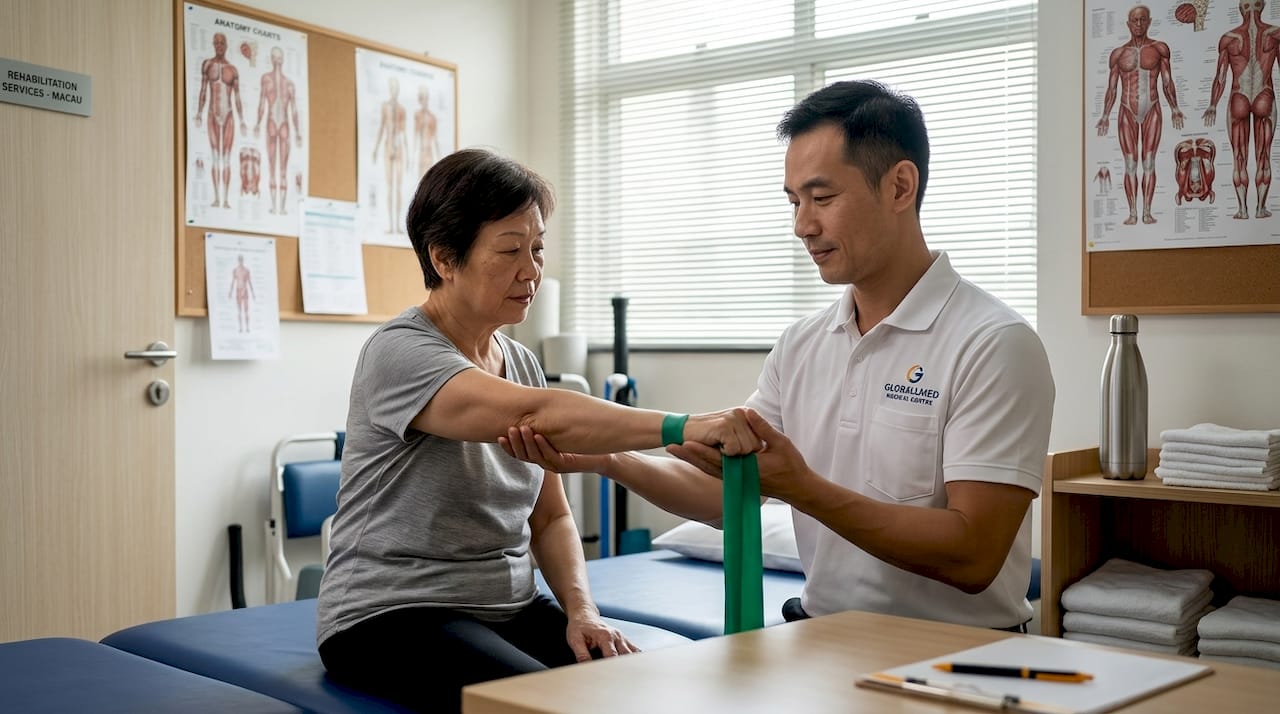
Wellness and therapeutic outpatient services focus on rehabilitation and ongoing health management. Physical therapy sessions help you recover from injuries or surgeries through targeted exercises and manual techniques. Occupational therapy assists in regaining daily living skills after illness or injury. The multi therapy department might offer nutritional counseling, pain management interventions, mental health counseling, and complementary therapies like acupuncture or massage therapy.
| Procedure Category | Primary Purpose | Typical Recovery Time |
|---|---|---|
| Diagnostic medical | Identify health conditions | Same day to 24 hours |
| Minor surgical | Treat specific medical issues | 3-7 days |
| Cosmetic injectable | Enhance appearance | Immediate to 48 hours |
| Laser/energy-based | Skin improvement or treatment | 1-5 days |
| Physical therapy | Restore function and mobility | Ongoing sessions |
| Wellness counseling | Improve overall health | Immediate application |
Pro Tip: Match procedures to your personal health goals by consulting with specialists who can explain realistic outcomes. A cosmetic treatment might deliver dramatic visible changes, while a wellness intervention offers gradual improvements in how you feel daily. Understanding these differences helps you prioritize treatments that align with what matters most to you right now.
The accessibility of these diverse outpatient options means you can address multiple aspects of your health and appearance without the disruption of repeated hospitalizations. Many patients combine treatments, scheduling a cosmetic procedure alongside a wellness consultation to optimize their overall results and experience.
Benefits and risks of outpatient procedures
Outpatient procedures deliver compelling advantages that explain their growing popularity worldwide. Convenience tops the list. You schedule your treatment, arrive at the appointed time, complete the procedure, and head home the same day. This streamlined approach eliminates the anxiety many people feel about hospital stays and the disruption to family routines that overnight admissions create.
Cost efficiency represents another major benefit. Hospital room charges, extended nursing care, and facility fees for overnight stays add up quickly. Outpatient procedures tend to have lower infection rates and quicker recovery times compared to inpatient surgeries, which translates to reduced overall healthcare expenses. Insurance companies often favor outpatient treatments when medically appropriate, resulting in lower out-of-pocket costs for patients.
Faster healing happens when you recover in your own environment. Research consistently shows that patients who return home the same day experience less stress, sleep better, and maintain healthier eating patterns compared to those confined to hospital rooms. Your body heals more efficiently when you're comfortable, surrounded by family support, and able to move around your familiar space rather than being restricted to a hospital bed.
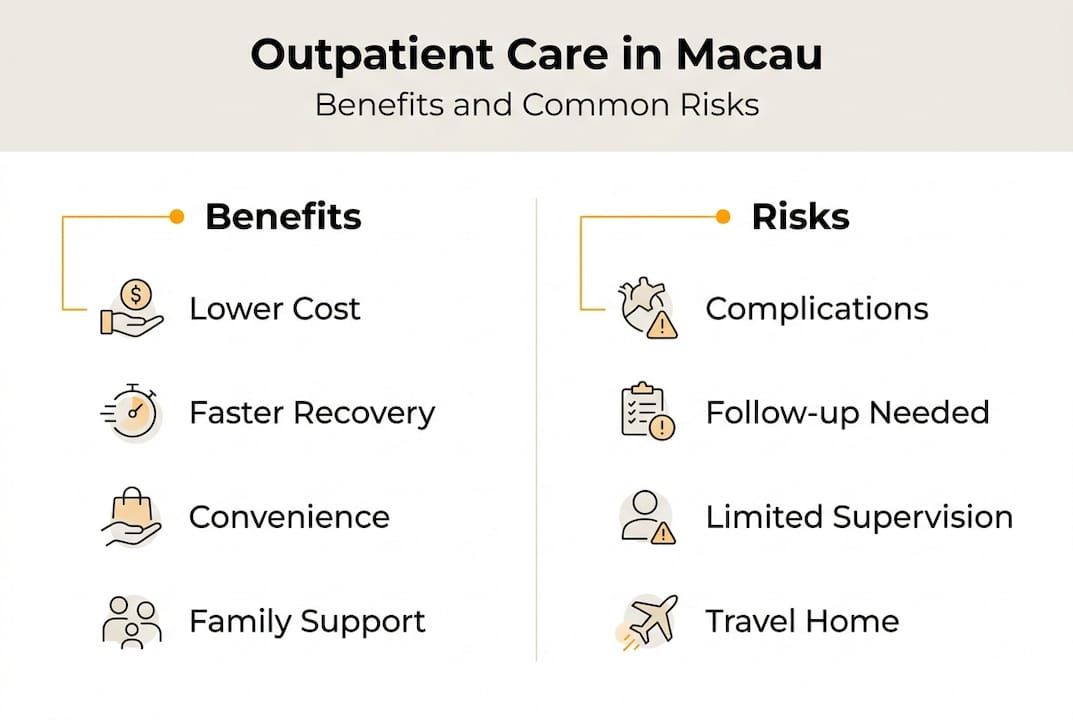
The reduced infection risk deserves special attention. Hospitals, by their nature, concentrate sick patients in shared spaces. Even with rigorous cleaning protocols, the risk of acquiring a healthcare-associated infection increases with every hour you spend in a clinical facility. Outpatient settings minimize this exposure dramatically, particularly when you're not staying overnight in a room previously occupied by other patients.
However, outpatient procedures aren't without risks. Understanding these potential complications helps you prepare properly:
- Anesthesia complications can occur even with local or moderate sedation, though serious reactions remain rare with proper screening
- Inadequate pain management sometimes happens when patients underestimate post-procedure discomfort and fail to fill prescriptions promptly
- Infection risk still exists, particularly if you don't follow wound care instructions carefully at home
- Delayed complications might emerge after you've left the facility, requiring you to recognize warning signs and seek help quickly
- Insufficient post-procedure support can leave you unprepared for recovery challenges if you haven't arranged proper assistance
Reputable clinics minimize these risks through comprehensive pre-procedure screening, detailed patient education, clear written instructions for home care, and accessible follow-up communication channels. They assess your medical history thoroughly to identify any factors that might increase complication risks. They ensure you understand exactly what to expect during recovery and provide emergency contact information.
"The safest outpatient procedures happen when patients actively participate in their own care, asking questions before treatment, following instructions precisely afterward, and communicating promptly if anything feels wrong during recovery."
You play a crucial role in ensuring successful outcomes. Prepare by arranging transportation home since you cannot drive after sedation. Stock your home with recommended supplies before the procedure. Follow all pre-procedure instructions regarding fasting, medication adjustments, and activity restrictions. After treatment, adhere strictly to wound care protocols, take prescribed medications as directed, and attend all scheduled follow-up appointments. Contact your healthcare provider immediately if you experience excessive bleeding, signs of infection like fever or increasing redness, severe pain not controlled by prescribed medication, or any other concerning symptoms.
Choosing the right outpatient clinic in Macau: considerations and tips
Selecting where to receive your outpatient care ranks among the most important decisions you'll make for your health. Macau offers numerous options, but not all facilities provide the same level of expertise, safety standards, or patient support. Your choice directly impacts your treatment outcomes and overall experience.
Start by evaluating these critical factors:
- Accreditation and licensing status confirming the facility meets recognized healthcare standards
- Staff qualifications including physicians' board certifications, specialized training, and years of experience
- Range of treatments offered, indicating whether the clinic can address your specific needs comprehensively
- Facility equipment and technology, ensuring access to modern diagnostic and treatment tools
- Patient reviews and testimonials providing real-world insights into care quality and service
- Language capabilities if you're an international patient requiring communication in your native language
- Post-procedure support systems including follow-up appointments, emergency contact availability, and care coordination
Don't hesitate to ask direct questions before committing to treatment. Inquire about the specific physician who will perform your procedure and their experience with that exact treatment. Request information about complication rates and how the clinic handles adverse events. Ask what happens if you experience problems after hours or on weekends. Understand the full cost structure upfront, including any potential additional charges that might arise.
The clinic's experience with your specific procedure matters enormously. A facility that performs hundreds of a particular treatment annually develops refined protocols, anticipates potential complications better, and achieves more consistent results than one that handles the procedure occasionally. Ask directly how many times they've performed the treatment you're considering and what their success rates look like.
Pro Tip: Schedule a consultation visit before booking your procedure. This gives you a chance to assess the facility's cleanliness, observe staff interactions with patients, and gauge whether you feel comfortable and confident in their care. Trust your instincts. If something feels off during your consultation, explore other options rather than proceeding with doubts.
Post-procedure support deserves careful evaluation. Quality outpatient clinic services include comprehensive follow-up care, not just the procedure itself. Confirm the clinic provides clear written instructions for home care, schedules appropriate follow-up appointments, and offers accessible communication channels if you have questions or concerns during recovery. Some facilities provide 24/7 emergency contact numbers, while others direct you to general emergency services. Know what support you can expect before you need it.
For international patients considering medical tourism to Macau, additional considerations include proximity to your accommodation, ease of scheduling appointments around travel plans, and whether the clinic assists with coordinating any necessary extended stay arrangements. Reputable clinics experienced with international patients understand these unique needs and provide appropriate support services.
Experience quality outpatient care with Globallmed Macau
When you're ready to move forward with your outpatient procedure, choosing a trusted partner makes all the difference. Globallmed stands as Macau's largest private outpatient facility, offering comprehensive medical, cosmetic, and wellness services under one roof. Their integrated approach means you can access everything from diagnostic procedures to aesthetic treatments and therapeutic interventions without navigating multiple facilities.
The expert clinical team at Globallmed brings together licensed healthcare professionals with specialized training across diverse treatment areas. Whether you need a medical intervention through their medical clinic department, cosmetic enhancement via the beauty wellness department, or therapeutic support, you'll receive personalized care designed around your specific goals and health status. Their commitment to international standards ensures you experience the quality and safety you deserve, with state-of-the-art equipment and refined protocols that prioritize your wellbeing throughout every step of your treatment journey.
Frequently asked questions about outpatient procedures
What exactly qualifies as an outpatient procedure?
Any medical, cosmetic, or wellness treatment you complete without an overnight hospital stay qualifies as outpatient care. This includes everything from diagnostic tests and minor surgeries to aesthetic injections and physical therapy sessions. The defining characteristic is that you arrive, receive treatment, recover briefly if needed, and return home the same day.
How long does recovery typically take after outpatient procedures?
Recovery timelines vary dramatically depending on the specific procedure. Simple treatments like Botox injections require virtually no downtime, while minor surgical procedures might need several days of limited activity. Your healthcare provider will give you a specific recovery timeline based on your treatment, but most outpatient procedures allow you to resume normal activities within a few days to a week.
Are outpatient procedures safe for everyone?
Most people are excellent candidates for outpatient procedures, but individual health factors matter. Your medical history, current medications, and overall health status determine whether outpatient care is appropriate or if you might need the closer monitoring of inpatient treatment. Thorough pre-procedure screening at facilities like the medical clinic department identifies any concerns and ensures your safety.
What makes outpatient care in Macau suitable for international patients?
Macau's outpatient facilities cater specifically to international patients through multilingual staff, streamlined appointment scheduling, and care protocols designed around travelers' needs. The combination of high-quality medical standards, competitive pricing, and convenient location makes Macau an attractive destination for those seeking medical, cosmetic, or wellness treatments while traveling.
How do I prepare for an outpatient procedure?
Preparation varies by procedure type, but common steps include following fasting instructions if sedation is involved, arranging transportation home, adjusting medications as directed by your physician, and preparing your home with necessary supplies for recovery. Your healthcare provider will give you detailed pre-procedure instructions specific to your treatment, and following these carefully maximizes your safety and results.