
Surgery is a branch of medicine in which a physician uses manual and instrumental techniques to diagnose, treat or repair a condition. An operation may remove diseased tissue, repair an injured structure, restore a blocked passage, replace a failing part or take a sample so that a diagnosis can be made. This guide explains the main types of surgery, the reasons a doctor recommends it, how to prepare, what recovery involves and which risks to discuss before you decide. It is written for patients in Macau, the Greater Bay Area and overseas who want a precise understanding before a consultation.
Table of Contents
- What surgery is and what it is used for
- Why a doctor may recommend surgery
- Types of surgery
- Common surgical specialties
- Surgery or another treatment: how to weigh the choice
- How to prepare for surgery
- Recovery after surgery
- Risks of surgery
- Surgery within an outpatient care pathway
- Consult our surgical team in Macau
- Frequently asked questions
What surgery is and what it is used for
In its traditional sense, surgery means making an incision to inspect, treat, repair or remove an organ, a tissue or a part of the musculoskeletal system. Modern practice has widened that definition. Instruments may include a scalpel, a laser, or other energy and imaging technologies, and many operations are now performed through very small access points rather than one large opening.
Clinically, the purposes of surgery fall into five groups:
- Diagnostic (investigatory): a tissue sample or a whole lymph node is removed so a pathologist can examine it. This is the role of a biopsy, which is used when blood tests, imaging or needle sampling cannot give a sufficient answer.
- Therapeutic: the operation itself treats the problem, for example by removing an abscess, a tumor or a diseased organ, opening a blockage, creating a bypass around a narrowed vessel, or transplanting tissue.
- Preventive: an organ or tissue is removed or treated before it causes serious disease.
- Reconstructive: form and function are restored after injury, disease or an earlier operation.
- Cosmetic: appearance is changed at the patient's request, with no disease being treated.
The line between a minor procedure and surgery is not always sharp. A skin biopsy or a small lesion removal may take place in a consulting room, while a similar procedure in a deeper location needs an operating theater. What matters most in either case is that the doctor performing it is properly trained and experienced in that specific procedure.
Why a doctor may recommend surgery
Surgery is rarely the first step for every condition. Many problems are managed with medication, physiotherapy, dietary change or watchful monitoring. A surgeon will usually recommend an operation when one or more of the following applies:
- Medication has not controlled the problem. Symptoms persist or recur despite an adequate trial of non-surgical treatment.
- The condition is structural. A hernia, a gallstone that blocks a duct or a damaged joint surface cannot be corrected by tablets.
- Malignancy is suspected or confirmed. Removal of tissue is often central to both diagnosis and treatment.
- An emergency complication has occurred. Examples are a ruptured organ, severe bleeding or an obstructed bowel.
- The expected benefit outweighs the risk. This is a judgment made case by case, with your preferences included.
A sound recommendation rests on the actual diagnosis, your response to previous treatment, the surgeon's clinical assessment, the available evidence and your own concerns. In gynecology, for example, the usual principle is individualized care: surgery is considered when symptoms cannot be controlled, when cancer is suspected or when an emergency arises, and the benefit is weighed against procedural risk and, where relevant, future fertility plans.
The same logic applies to the choice of technique. A large or awkwardly placed tumor may need open surgery. When a minimally invasive method can achieve the same clinical result, it is generally preferred. The technique follows the clinical need, not the other way around.
Types of surgery
There is no single classification. The same operation can be described by urgency, by approach, by setting and by purpose. Understanding each axis helps you read a surgical plan and ask the right questions.
By urgency
- Emergency surgery is performed as soon as possible because delay threatens life or a limb.
- Urgent surgery is best done within hours or a short period after the decision is made.
- Elective surgery can be scheduled and, if necessary, delayed. This gives time to optimize your health beforehand, stop certain medications under supervision, and obtain a second opinion. Elective does not mean optional or unimportant. It means the timing can be planned.
By approach
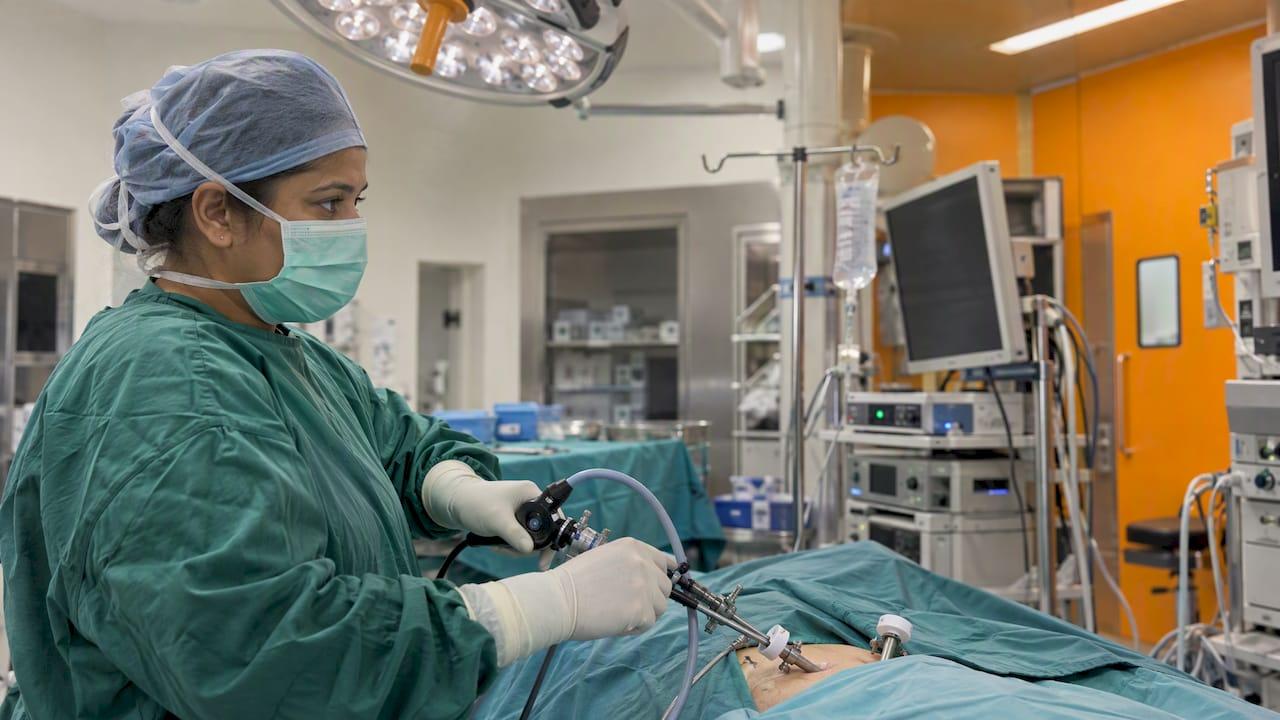
The two approaches most patients ask about are open and minimally invasive surgery. In open surgery, the surgeon makes one larger cut to reach the area, for instance to remove a tumor together with a margin of healthy tissue. In minimally invasive surgery, the surgeon makes a few small cuts and works with a laparoscope, a thin tube with a camera, and specialized instruments. Recovery after the minimally invasive route is usually shorter, although it is not suitable for every patient or every condition.
By setting
Day surgery means you arrive and leave on the same day, with no overnight stay. Other operations require one or more nights in a hospital ward, and major operations may involve intensive care monitoring. Some minor procedures can be done under local anesthesia in a procedure room.
Summary table
| Classification | Categories | What it tells you |
|---|---|---|
| Urgency | Emergency, urgent, elective | How soon the operation must happen |
| Approach | Open, minimally invasive | Size of incisions, typical recovery pattern |
| Setting | Procedure room, day surgery, inpatient | Whether you stay overnight |
| Purpose | Diagnostic, therapeutic, preventive, reconstructive, cosmetic | Why the operation is done |
Common surgical specialties
Surgery is divided into specialties, each with its own training and typical procedures. The ones patients meet most often in outpatient practice include:
- General surgery: abdominal wall and soft tissue conditions, gallbladder and digestive tract problems, and many diagnostic procedures. See our General Surgery department.
- Obstetrics and gynecology: operations on the uterus, ovaries and related structures, as well as obstetric care. This is part of our OB & GYN service.
- Ear, nose and throat (otolaryngology): conditions of the sinuses, tonsils, ears and throat. Our ENT service covers this field.
- Urology: the urinary tract and male reproductive system, available through our Urology service.
- Dental and oral surgery: extractions and other procedures of the teeth and jaw, handled through our Dental service.
- Plastic surgery: reconstructive and cosmetic procedures. Our Plastic Surgery and Dermatology services sit within the beauty, wellness and wellbeing department.
Other fields, such as cardiac, neurological and orthopedic surgery, generally require a hospital with inpatient and intensive care facilities. A good outpatient clinic helps you work out which route fits your case, and refers you onward when a hospital setting is the right one.
Surgery or another treatment: how to weigh the choice
A patient who is told that surgery may be needed is entitled to understand the alternatives. In your consultation, it is reasonable to ask:
- What is the exact diagnosis, and how was it confirmed?
- What happens if I wait, or choose medication or physiotherapy instead?
- What is the goal of the operation: cure, symptom relief, prevention or diagnosis?
- Which technique do you propose, and why that one rather than another?
- How many times have you performed this procedure?
- What are the most common and the most serious risks in my case?
- What will recovery look like at home and at work?
A second opinion is a normal part of elective decision making, and a confident surgeon will not object to it. Bring previous reports, imaging and a full list of the medicines you take.
How to prepare for surgery
Preparation begins weeks before an elective operation and continues until the moment you go into the theater. The following steps apply to most patients, and your own surgical team will adapt them to you.
- Complete the pre-operative assessment. This usually includes a medical history, a physical examination, blood tests and sometimes an ECG or imaging. The purpose is to identify anything that raises your risk, such as anemia, uncontrolled blood pressure or diabetes, so it can be addressed first.
- Review your medicines. Bring all regular medications, including supplements and herbal products, to the appointment. Some drugs, such as blood thinners, must be adjusted before an operation, but only on the instruction of your doctor. Never stop a prescribed medicine on your own.
- Disclose allergies and previous anesthetic problems. Tell the team about drug allergies, latex sensitivity, and any personal or family history of reactions to anesthesia.
- Follow fasting instructions exactly. If you will have general anesthesia or sedation, you will be told when to stop eating and drinking. These instructions protect your airway during the procedure.
- Stop smoking if you can. Smoking slows wound healing and raises the risk of breathing and wound complications. Ask your doctor for support if stopping is difficult.
- Arrange practical support. Plan transport home, someone to stay with you for the first night after sedation or general anesthesia, and time away from work.
- Bring documents and results. Carry your identity document, insurance details, appointment confirmation, and relevant earlier test results.
- Make sure language is not a barrier. If you are not fluent in the local language, bring an interpreter or ask the clinic about multilingual staff before the day. Informed consent is only valid when you understand what you are agreeing to.
For international patients, we recommend sharing medical records in advance, confirming insurance arrangements before travel and building extra days into the itinerary for the follow-up visit. Flying soon after some operations is not advisable, so ask your surgeon how long you should stay in the region.
Recovery after surgery
Recovery is not a single event. It runs through several overlapping stages, and its length depends on the operation, your general health and how closely you follow instructions.

The first hours and days
After the operation you are monitored while the anesthetic wears off. Pain, drowsiness, nausea and a sore throat after a breathing tube are common and are managed with medication. After day surgery you go home the same day, usually with written instructions on wound care, pain relief and warning signs. After inpatient surgery you may stay in hospital for several days.
What influences recovery time
- Extent of the operation: a small incision heals faster than a large one, and minimally invasive surgery usually has a shorter recovery than open surgery.
- Part of the body treated: operations involving the abdomen, chest or weight-bearing joints tend to demand longer restrictions than superficial procedures.
- Your overall health: age, nutrition, diabetes, smoking and heart or lung disease all affect healing.
- Adherence to advice: wound care, medication schedules, activity limits and follow-up visits all matter.
- Individual pain perception: two people with the same operation can describe very different pain levels. Pain depends on the extent of surgery, the area treated and how each person experiences pain.
Practical recovery guidance
Keep the wound clean and dry as instructed. Take analgesics on schedule rather than waiting for severe pain. Walk early if your surgeon permits it, as gentle movement supports circulation and lowers the risk of blood clots. Do not lift, drive or return to work until your doctor has said it is safe. Where relevant, physiotherapy can guide a graded return to movement, and a dietitian can help you rebuild strength with adequate protein and nutrition.
Contact your surgical team promptly if you develop fever, increasing redness or discharge from the wound, worsening pain, persistent vomiting, leg swelling or calf pain, chest pain or breathlessness. Chest pain and sudden breathlessness need emergency care without delay.
Risks of surgery
Every operation carries risk, and honest counselling means saying so. Risks fall into two groups: those common to nearly all operations and those specific to a procedure.
General risks include bleeding, infection at the wound or deeper, reactions to anesthesia, blood clots in the legs or lungs, delayed wound healing and scarring. Most are uncommon and treatable when recognized early.
Procedure-specific risks depend on the organs involved. They may include injury to nearby structures, leakage from a surgical join, recurrence of the original condition, or a need for a further operation. Your surgeon should explain these in plain language and in the context of your own case.
Factors that change your personal risk
- Age and general fitness
- Existing conditions such as heart disease, lung disease, diabetes, kidney disease or obesity
- Smoking and alcohol use
- Medicines that affect bleeding or healing
- Whether the operation is elective or an emergency (emergency surgery generally carries higher risk because there is less time to prepare)
- The complexity of the operation and the experience of the team
People often ask which surgeries are the riskiest or the most painful to recover from. There is no honest universal ranking. Major operations on the heart, brain, large blood vessels or major organs carry higher risk, and operations involving bone, the chest or the abdomen are often more uncomfortable afterward. But your own risk depends on you and your condition, which is why an individual assessment is more useful than a list.
Surgery within an outpatient care pathway
Many surgical journeys begin and end in outpatient care: the first consultation, tests, the decision, post-operative reviews, wound checks, rehabilitation and long-term monitoring. Well-coordinated outpatient services reduce delays and avoid repeating tests. For overseas patients, they also provide continuity once you return home, because reports and recommendations can be shared with your local doctor.
A preventive health check-up is also a practical way to detect conditions early, when treatment may be simpler and sometimes avoidable. Our Basic check-up packages, the Executive check-up for men and the Executive check-up for women are designed for this purpose.
Consult our surgical team in Macau
Globallmed is a private outpatient medical center in Macau serving local residents, Greater Bay Area residents and international patients, with multilingual staff and direct billing arrangements with insurers. If you have a symptom that may need a surgical opinion, or you want to assess a cosmetic or reconstructive procedure, you can book a consultation with our General Surgery department or, for aesthetic and reconstructive questions, our Plastic Surgery service. Please note that prices are not published online, so contact us through the appointment page to confirm costs and insurance coverage before your visit.
Frequently asked questions
What are two common types of surgery?
Open surgery and minimally invasive surgery are the two approaches most patients encounter. Open surgery uses one larger incision, while minimally invasive surgery uses several small incisions and a camera-guided instrument. The right choice depends on the condition, its location and your health, so your surgeon will recommend one after assessment.
Is elective surgery the same as optional surgery?
No. Elective means the operation can be scheduled in advance rather than performed as an emergency. Many elective operations treat serious conditions, and delay can sometimes be harmful. Ask your surgeon how long it is safe to wait in your case.
How long does it take to recover from surgery?
There is no single answer, because recovery depends on the operation, the technique, your health and how you follow instructions. Minimally invasive procedures usually need less recovery time than open ones, and day surgery patients go home the same day. Your surgeon should give you an expected timeline for returning to normal activity and work before the operation.
What should I bring to a surgical consultation?
Bring your identity document, insurance information, previous medical reports, imaging and test results, and a list of all medications and supplements. Write down your questions and your symptoms in advance. If you need an interpreter, arrange it beforehand, or ask the clinic about multilingual support.