
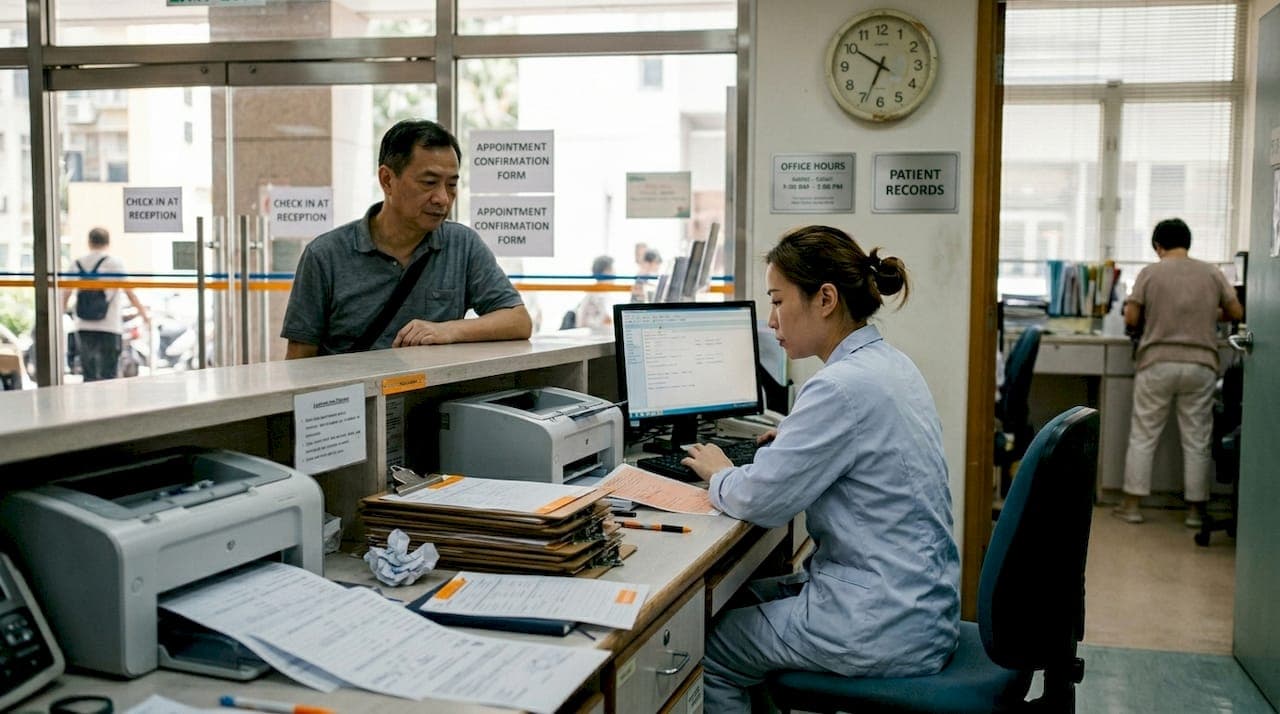
Navigating outpatient health consultations in Macau can feel overwhelming, especially for international patients and locals unfamiliar with the system. Between registration processes, specialist wait times, and preparation requirements, many patients struggle to access timely, high-quality care. Understanding the consultation workflow transforms this experience from confusing to manageable. This guide walks you through each step of the outpatient process, from initial registration to follow-up care, helping you prepare effectively and maximize your consultation outcomes. Whether you're seeking general medical services or specialized cosmetic treatments, knowing what to expect makes all the difference in your healthcare journey.
Table of Contents
- Key takeaways
- Understanding the outpatient health consultation workflow in Macau
- Preparing for your consultation: what patients need to know
- Navigating cosmetic and wellness consultations at private clinics
- Common challenges and tips for a smoother consultation experience
- Simplify your health consultations with Globallmed in Macau
- FAQ
Key Takeaways
| Point | Details |
|---|---|
| Registration and intake | The outpatient process in Macau begins with registration that classifies patients and creates their medical record, guiding which department handles the visit. |
| Specialist wait times | Specialists in Macau average about 1.6 weeks for appointments, so schedule referrals early to secure timely care. |
| Preparation steps | Preparing a complete medical history including medications and lifestyle notes helps clinicians tailor testing and treatment plans. |
| Testing and results | Diagnostic testing is performed after the initial consultation with results typically returning within 24 to 48 hours for standard tests. |
| Private clinic focus | Private clinics commonly emphasize cosmetic and wellness services with shorter recovery times compared to general medical care. |
Understanding the outpatient health consultation workflow in Macau
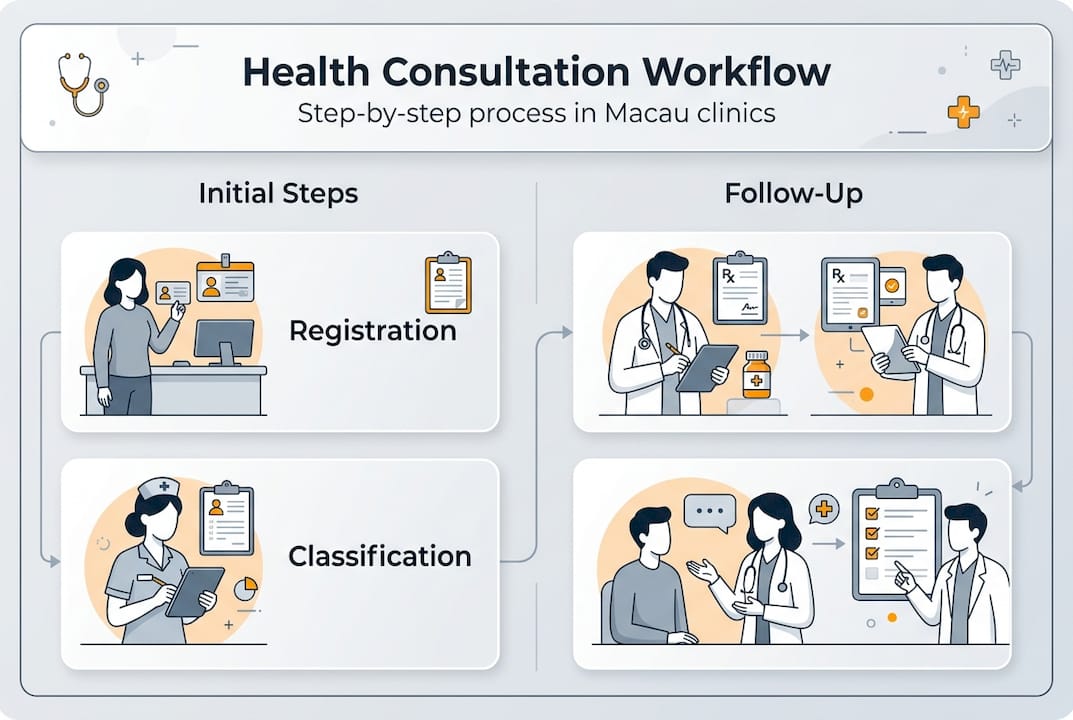
The outpatient consultation process in Macau follows a structured pathway designed to ensure efficient patient care. Knowing each stage helps you navigate the system confidently and avoid unnecessary delays.
Your journey begins with registration and patient classification. When you arrive at a clinic, administrative staff collect your personal information, insurance details, and reason for visit. This initial step determines which department handles your case and establishes your medical record within the facility. For international patients, bring your passport and any travel insurance documentation to streamline this process.
The consultation phase involves detailed history taking and examination. Your healthcare provider reviews your symptoms, medical background, and current medications before conducting a physical assessment. This conversation shapes your treatment plan, so communicate openly about your health concerns and lifestyle factors. Providers use this information to order appropriate diagnostic tests or refer you to specialists when needed.
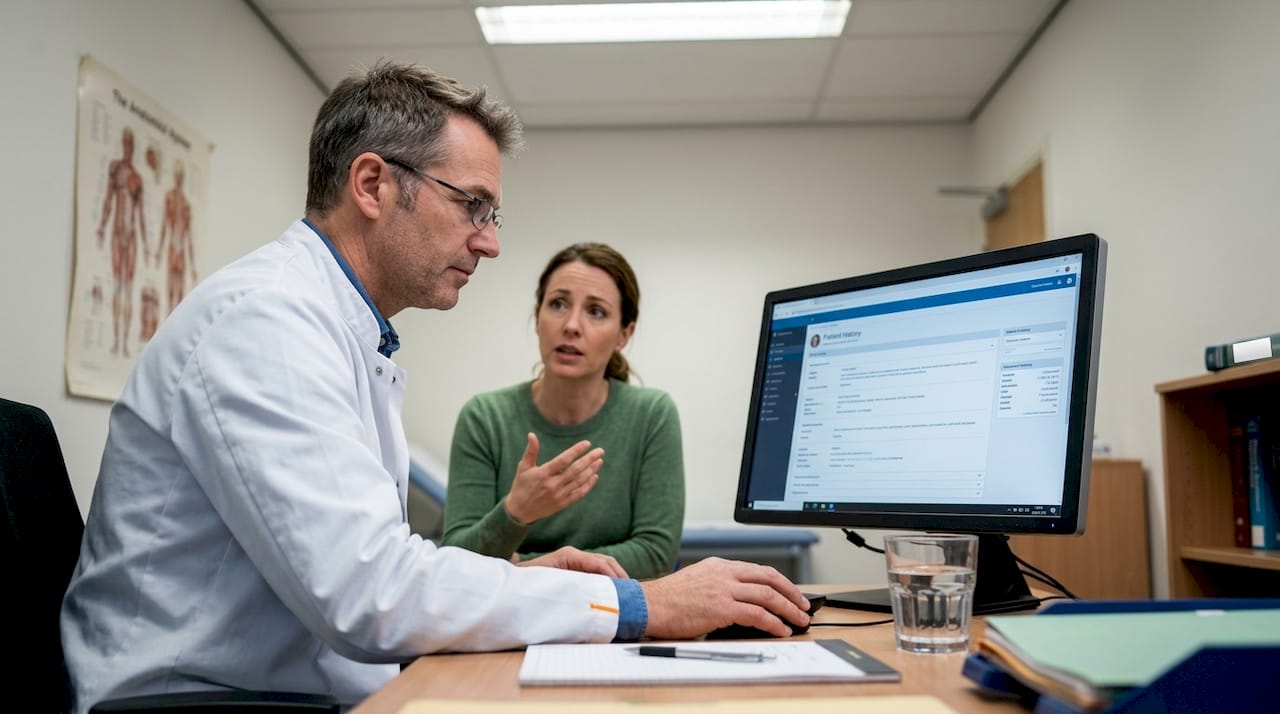
Laboratory and imaging tests follow the initial consultation when necessary. Common diagnostics include blood work, ultrasounds, X-rays, and echocardiograms. Results typically return within 24 to 48 hours for standard tests, though complex analyses may take longer. Your provider schedules a follow-up to discuss findings and adjust your treatment plan accordingly.
Prescription and follow-up instructions complete the workflow. After reviewing test results, your doctor prescribes medications or therapies and explains next steps. General patient management workflow in Macau clinics includes registration, consultation, testing, and prescriptions with specialist wait times averaging 1.6 weeks. This timeline means you should schedule appointments well in advance, particularly for specialized services like cardiology or dermatology.
Pro Tip: Book specialist appointments as soon as your primary care provider issues a referral. The 1.6-week average can extend during peak seasons, so early scheduling ensures you receive timely care.
Understanding patient management processes helps you prepare documentation and questions before your visit. The more organized you arrive, the smoother your consultation flows. Keep a health journal tracking symptoms, medications, and questions to maximize your appointment time.
| Workflow Stage | Typical Duration | Required Documents |
|---|---|---|
| Registration | 10-15 minutes | ID, insurance, referral |
| Consultation | 20-30 minutes | Medical history, medication list |
| Diagnostic Tests | 30-60 minutes | Test-specific prep instructions |
| Results Review | 15-20 minutes | Previous records, questions |
Preparing for your consultation: what patients need to know
Proper preparation dramatically improves your consultation efficiency and outcomes. Small steps before your appointment prevent delays and ensure your provider has complete information to deliver optimal care.
Gather all current medications and comprehensive medical history. Create a detailed list including prescription drugs, over-the-counter supplements, and herbal remedies with dosages and frequency. Patients with chronic diseases should bring their medications; special conditions require lifestyle adjustments such as avoiding caffeine before echo tests. Include past surgeries, allergies, and family health history in your documentation. This information prevents dangerous drug interactions and helps providers understand your complete health picture.
Lifestyle modifications before specific diagnostic tests ensure accurate results. Different procedures require different preparations:
- Avoid caffeine, smoking, and strenuous exercise for 24 hours before echocardiograms
- Maintain a full bladder for pelvic ultrasound examinations
- Fast for 8 to 12 hours before certain blood tests measuring glucose or lipids
- Skip lotions and deodorants before mammograms or chest imaging
Pregnant patients need special imaging precautions to protect fetal development. X-rays and certain contrast dyes pose risks during pregnancy, so inform your provider immediately if you're pregnant or suspect you might be. Alternative imaging methods like ultrasound provide safe diagnostic options. Similarly, Pap tests and certain invasive procedures may be postponed until after delivery.
Pro Tip: Create a medical information folder on your phone with photos of medication bottles, recent lab results, and your health timeline. This digital backup ensures you never forget crucial details during appointments.
Plan around specialist wait times by scheduling proactively. If your condition allows, book appointments during off-peak hours or mid-week when clinics experience lower patient volumes. For urgent concerns that don't require emergency care, ask about same-day or next-day availability with general practitioners who can provide initial assessment and expedite specialist referrals when necessary.
International patients should verify appointment booking protocols well before traveling. Some medical services and preparation instructions require advance registration or deposit payments. Confirm whether your insurance provides coverage in Macau and understand payment expectations. Many private clinics accept international insurance but require upfront payment with reimbursement processed later.
For families seeking pediatric or maternal care, review women and child checkup instructions specific to age groups and developmental stages. These specialized consultations often need additional documentation like vaccination records or growth charts.
Navigating cosmetic and wellness consultations at private clinics
Cosmetic and wellness consultations operate differently from traditional medical appointments, focusing on aesthetic enhancement and preventive care rather than disease treatment. Understanding these distinctions helps you choose the right provider for your goals.
Private cosmetic consultations emphasize natural, non-invasive treatment approaches. Private clinics in Macau emphasize non-invasive technology for quick recovery and natural results, contrasting with public clinics focused on diagnostics. These facilities offer treatments like laser therapies, dermal fillers, chemical peels, and body contouring without surgical intervention. The consultation begins with a detailed aesthetic assessment where providers evaluate your skin condition, facial structure, and personal goals before recommending customized treatment plans.
Recovery timelines for cosmetic procedures typically run shorter than traditional medical interventions. Most non-invasive treatments allow you to resume normal activities within 24 to 48 hours, with minimal downtime or visible side effects. This convenience appeals to international patients combining medical tourism with vacation or business travel. Providers schedule follow-up sessions to monitor progress and adjust treatments as your skin responds.
Aesthetic assessments differ significantly from medical examinations:
- Cosmetic providers analyze skin texture, tone, elasticity, and aging patterns
- Treatment plans target specific aesthetic concerns like wrinkles, pigmentation, or volume loss
- Success measures focus on patient satisfaction and visual improvement rather than clinical markers
- Maintenance schedules often involve regular sessions to sustain results over time
Public outpatient care prioritizes diagnostic accuracy and chronic disease management. These facilities excel at identifying medical conditions, managing ongoing treatments for diabetes or hypertension, and coordinating specialist care for complex health issues. The workflow emphasizes evidence-based medicine, insurance coverage, and cost-effective interventions. Wait times may be longer, but services typically cost less than private alternatives.
| Feature | Private Cosmetic Clinics | Public Outpatient Care |
|---|---|---|
| Primary Focus | Aesthetic enhancement, wellness | Disease diagnosis, treatment |
| Treatment Approach | Non-invasive, preventive | Evidence-based medical protocols |
| Recovery Time | 24-48 hours typically | Varies by procedure complexity |
| Cost Structure | Higher, often out-of-pocket | Lower, insurance-covered |
| Wait Times | Minimal, flexible scheduling | Longer, 1.6-week specialist average |
Your choice between cosmetic and medical consultations depends on your health objectives. Patients seeking wrinkle reduction, skin rejuvenation, or body sculpting benefit from beauty wellness and wellbeing department services at private clinics. Those managing chronic conditions or requiring diagnostic workups should prioritize traditional medical facilities with comprehensive testing capabilities.
Many patients combine both approaches, using public healthcare for medical needs while accessing private clinics for wellness and aesthetic goals. This hybrid strategy optimizes both health outcomes and quality of life. Discuss your complete health picture with all providers to ensure treatments don't conflict or create unexpected complications.
Common challenges and tips for a smoother consultation experience
Even with preparation, patients encounter obstacles that complicate their consultation experience. Recognizing these challenges and applying practical solutions ensures you receive timely, effective care.
Emergency department misuse creates unnecessary delays for everyone. Emergency department overuse by non-urgent cases can cause long waits; patients should follow triage guidelines for best outcomes. Many people visit emergency rooms for conditions better suited to primary care or urgent care clinics. This congestion extends wait times for true emergencies and wastes healthcare resources. Before heading to the emergency department, honestly assess whether your situation requires immediate intervention or can wait for a scheduled appointment.
Use these guidelines to determine appropriate care settings:
- Emergency: Chest pain, severe bleeding, difficulty breathing, sudden weakness, loss of consciousness
- Urgent care: Minor injuries, fever, infections, mild allergic reactions
- Primary care: Routine checkups, chronic disease management, preventive screenings, medication refills
Following pre-appointment instructions prevents wasted visits and inaccurate test results. When providers specify fasting, medication adjustments, or activity restrictions, these requirements directly impact diagnostic accuracy. Ignoring instructions may force you to reschedule, delaying your diagnosis and treatment. Set phone reminders for preparation steps and ask clarifying questions if instructions seem unclear.
Pro Tip: Call the clinic 24 hours before your appointment to confirm timing and verify you've completed all preparation requirements correctly. This simple check prevents last-minute surprises.
Accurate record keeping and clear communication strengthen provider relationships. Maintain organized files of test results, treatment summaries, and specialist reports. When explaining symptoms, use specific descriptions rather than vague terms. Instead of "I feel bad," say "I experience sharp pain in my lower right abdomen after eating, lasting about 30 minutes." This precision helps providers diagnose efficiently.
"Effective patient-provider communication reduces medical errors by up to 30% and significantly improves treatment adherence and health outcomes."
Proactive follow-up and care coordination prevent gaps in your treatment plan. After consultations, schedule recommended follow-up appointments immediately rather than waiting. If multiple specialists manage your care, ensure each provider knows about treatments prescribed by others. Request copies of all reports and test results for your personal records. This documentation proves invaluable when changing providers or seeking second opinions.
Plan realistically around specialist availability by building buffer time into your health management strategy. If you need a specialist consultation before a planned procedure or trip, account for the 1.6-week average wait when scheduling. For chronic conditions requiring regular monitoring, establish a consistent appointment rhythm that prevents lapses in care.
International patients face unique coordination challenges when care spans multiple countries. Before leaving Macau, obtain complete medical records, prescriptions with generic drug names, and clear follow-up instructions. Identify healthcare providers in your home country who can continue your treatment plan. Medical center services often provide coordination support for international patients transitioning care between locations.
Simplify your health consultations with Globallmed in Macau
Navigating Macau's healthcare system becomes significantly easier when you partner with a comprehensive outpatient center designed for international and local patient needs. Globallmed eliminates common consultation challenges through integrated services and streamlined workflows.

Our medical center offers extensive outpatient services with convenient digital booking, removing the hassle of coordinating multiple appointments across different facilities. From initial consultations through diagnostic testing and follow-up care, you access everything under one roof. This integration reduces wait times, prevents communication gaps between providers, and ensures your complete health picture guides every treatment decision.
Specialized departments address diverse health goals through expert care teams. The medical clinic department manages chronic conditions, acute illnesses, and preventive care with evidence-based protocols. Meanwhile, the beauty wellness and wellbeing department delivers cutting-edge cosmetic and wellness treatments using non-invasive technologies. Whether you're managing diabetes or seeking skin rejuvenation, our integrated approach coordinates your care seamlessly. International patients particularly benefit from our multilingual staff and experience supporting medical tourism, making Macau healthcare accessible and stress-free.
FAQ
What is the typical wait time for specialist consultations in Macau?
Specialist wait times in Macau average around 1.6 weeks across most clinics and departments. This timeline can vary based on specialty demand, with some fields like dermatology or cardiology experiencing longer waits during peak seasons. Plan appointments well in advance and ask about cancellation lists for earlier availability.
How should I prepare if I have a chronic disease for my outpatient visit?
Chronic disease patients should bring current medications and detailed medical history to consultations. Create a comprehensive list including dosages, frequency, and prescribing doctors for all medications and supplements. Bring recent lab results, specialist reports, and a symptom diary tracking how your condition affects daily life. This documentation helps providers adjust treatments effectively.
What lifestyle adjustments are recommended before certain diagnostic tests?
Avoid caffeine and smoking before echocardiograms; full bladder may be required for pelvic ultrasounds; pregnant patients must avoid certain imaging. Fast for 8 to 12 hours before glucose or lipid blood tests. Skip lotions, deodorants, and powders before mammograms or chest imaging. Always follow specific instructions provided by your clinic, as requirements vary by test type.
How do cosmetic consultations differ from general health consultations in Macau?
Cosmetic consultations emphasize non-invasive, quick recovery treatments focused on aesthetics, unlike public clinics' diagnostic focus. Private cosmetic clinics assess skin quality, aging patterns, and aesthetic goals rather than medical symptoms. Treatment plans target visual improvement and patient satisfaction, with recovery typically taking 24 to 48 hours. General health consultations prioritize disease diagnosis, chronic condition management, and evidence-based medical interventions.
Can international patients easily book appointments at Macau outpatient clinics?
Yes, many Macau outpatient clinics welcome international patients and offer digital booking systems accessible before travel. Private facilities particularly cater to medical tourists with multilingual staff and flexible scheduling. Verify insurance coverage, payment requirements, and necessary documentation like passports before booking. Some clinics require advance deposits or registration, so confirm protocols at least two weeks before your planned visit to ensure smooth processing.