
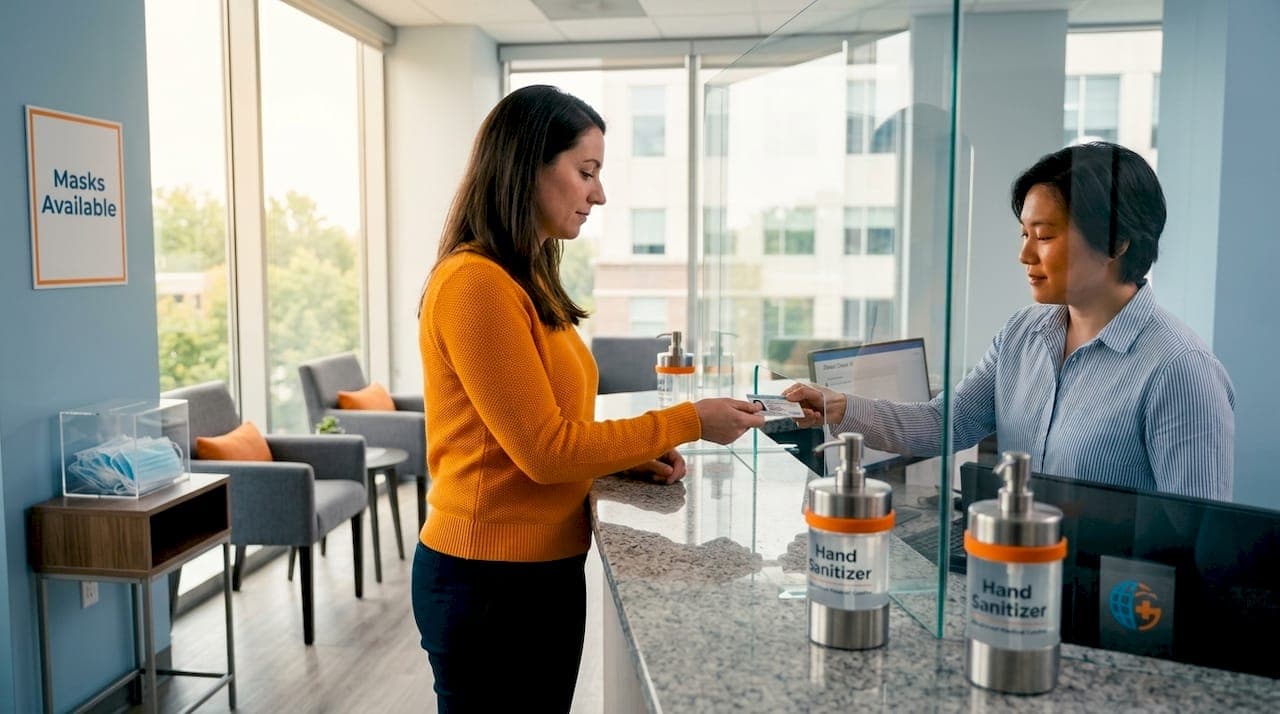
Walking into a medical center without understanding how safety works puts you at a real disadvantage. Medical center safety guidelines exist to protect everyone inside, from patients admitted for surgery to international visitors accompanying a loved one, but knowing what those guidelines actually cover makes the difference between a passive bystander and someone who can advocate for themselves. This article breaks down the core protocols, what to look for in any facility, how to participate actively in your own safety, and what modern healthcare centers like Globallmed build into their daily operations.
Table of Contents
-
1. Core medical center safety guidelines every patient should understand
-
2. Detailed patient safety protocols from admission to discharge
-
4. How patients and visitors can actively participate in safety
-
My perspective on where hospital safety actually breaks down
Key takeaways
| Point | Details |
|---|---|
| Technology cuts errors dramatically | Hospitals using CPOE systems reduce prescribing errors by up to 55%, a benchmark worth asking about. |
| Infection control is measurable | National data shows CLABSI rates dropped 50% where rigorous hand hygiene and infection protocols are enforced. |
| Patients have escalation rights | Policies like Martha’s Rule give patients and families the right to request urgent clinical review within 2 hours if safety concerns arise. |
| Active participation prevents harm | Verifying medications, reporting symptoms early, and knowing exit locations are patient behaviors that directly reduce adverse events. |
| Digital safety needs equal attention | Telemedicine requires data privacy, encryption, and informed consent to protect patient safety in digital consultations. |
1. Core medical center safety guidelines every patient should understand
Before you evaluate any specific hospital or clinic, you need to know what a solid safety framework actually looks like. Healthcare facility safety rules are not just posted signs on the wall. They are embedded in systems, training programs, and daily workflows.
Infection prevention sits at the foundation. This means mandatory hand hygiene for all staff before and after patient contact, mask policies based on current transmission risk, and sterilization protocols for all instruments. Thanks to stronger infection control measures nationwide, hospital-acquired infections like CLABSI dropped 50%, CAUTI by 45%, MRSA by 42%, and C. diff by 30%. Those numbers reflect what consistent protocol enforcement actually achieves.
Technology safeguards matter more than most patients realize. Computerized Physician Order Entry (CPOE) is a digital system where doctors enter medication orders directly into software that checks for errors, allergies, and dangerous drug combinations. Hospitals using CPOE reduce prescribing errors by up to 55%, and CPOE adoption climbed from 66% in 2018 to 90% in 2025. Bar Code Medication Administration (BCMA) adds another layer, scanning both the patient’s wristband and the medication before administration to confirm the right drug, right dose, right person.
Staff communication is equally critical. Effective teamwork and communication between nurses, physicians, and support staff reduce errors as much as clinical protocols do. Structured handoffs, clear escalation chains, and patient education at every stage are what separate reactive facilities from genuinely safe ones.
Workplace violence prevention is a less-discussed but real component of hospital safety best practices. Facilities like Scripps Health have adopted the 10-5-2 safety rule to help staff de-escalate interactions with agitated patients, reducing physical violence injuries from 101 in 2022 to 88 in 2025.
-
Confirm that hand hygiene stations are visible and stocked throughout the facility
-
Ask whether the center uses CPOE and BCMA for medication management
-
Check that staff wear visible ID and that visitor policies are clearly posted
-
Verify that the facility has a structured patient complaint and escalation process
Pro Tip: Before your appointment or admission, call the facility and ask directly whether they use barcode medication verification. A facility that can answer that question confidently has invested in patient safety infrastructure.
2. Detailed patient safety protocols from admission to discharge
A validated 65-item protocol covering admission, hospitalization, and discharge was developed by nurse experts for long-term care hospitals and shown to minimize safety incidents significantly. Understanding what each phase should look like helps you spot gaps.
At admission, you should expect:
-
Full identification verification using at least two patient identifiers (name plus date of birth, or name plus medical record number)
-
Allergy documentation with clear flagging in your medical record
-
A current medication review to check for conflicts with any new prescriptions
-
A fall risk assessment, especially relevant for older patients or those on sedating medications
-
Orientation to the facility layout, including emergency exits and call systems
During your stay, patient safety protocols should include:
-
Regular vital sign monitoring at documented intervals
-
Medication verification at every administration point, with staff confirming your identity each time
-
Infection control practices: staff gloves, gown use in isolation situations, and clean technique for any wound care or IV access
-
Daily nursing rounds using a structured check. Many facilities use the “5 Ps” framework: Pain, Position, Potty, Periphery (checking IV sites and tubes), and Pump (verifying infusion devices)
-
Clear documentation of any incidents, near-misses, or changes in condition
At discharge, medical center health guidelines require:
-
Written discharge instructions in a language you understand, covering medications, follow-up appointments, and warning signs to watch for
-
A medication reconciliation review confirming what to continue, start, or stop
-
Confirmation that follow-up care has been scheduled, not just recommended
CMS requires hospitals contracting with Qualified Health Plans to implement comprehensive discharge programs specifically to reduce preventable harm and readmissions. That is a regulatory floor, not a ceiling.
For international patients, data privacy in telemedicine consultations adds another layer. Digital health safety protocols must include encryption, informed consent, and clear data handling policies. If you are using a telehealth platform before or after your in-person visit, ask explicitly how your records are stored and who has access.
Pro Tip: At discharge, ask the care team: “If my symptoms change in the next 48 hours, what specifically should prompt me to call or return?” Facilities with strong discharge protocols will give you a clear, written answer.
3. Comparing safety practice levels across medical centers
Not every facility operates at the same maturity level. This table helps you see what separates a basic-compliance facility from one running an advanced safety program.
| Safety area | Basic compliance | Advanced program |
|---|---|---|
| Infection control | Hand hygiene signage and glove availability | Active surveillance, infection rate tracking, staff compliance auditing |
| Medication safety | Manual verification, paper-based orders | CPOE and BCMA with real-time allergy and interaction alerts |
| Patient communication | Verbal discharge instructions | Written multilingual discharge summaries with follow-up confirmation |
| Emergency procedures | Posted evacuation maps | Regular fire and emergency drills, staff role-specific training |
| Staff training for safety | Annual compliance training | Ongoing simulation-based training and incident debriefing |
| Patient escalation | Complaint box or manager contact | Formal escalation policy with guaranteed response timelines |
| Visitor safety policies | Sign-in at reception | Badged access, visitor orientation, clear restricted area policies |
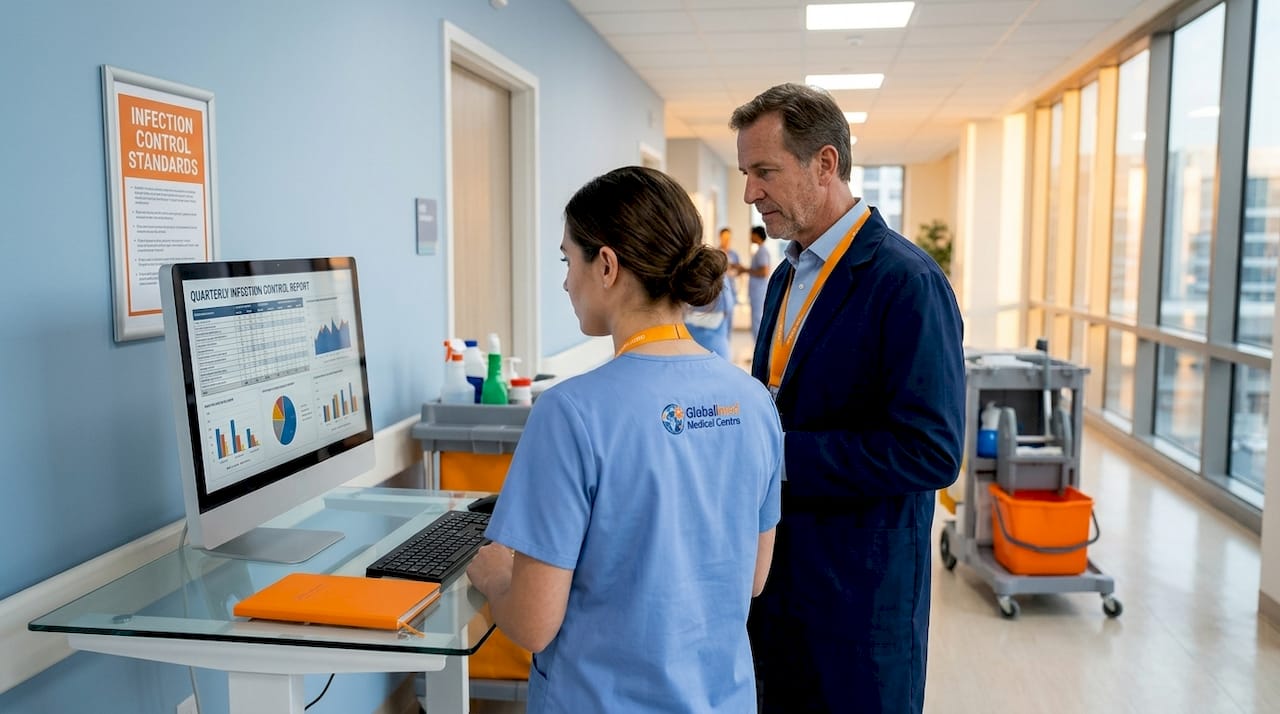
The differences are not subtle. A facility that tracks its own infection rates and audits staff compliance is operating at a fundamentally different level than one that simply meets minimum requirements. When choosing a medical center, especially for elective procedures or medical tourism, ask to see published safety data.
4. How patients and visitors can actively participate in safety
Patient empowerment is one of the most underutilized safety tools available. Patients who ask questions, confirm medications, and report symptoms early help detect problems before they escalate.
Here is what active participation looks like in practice:
-
Verify every medication before you take it. Ask the nurse: “What is this for and what is the dose?” If the answer does not match what you were told earlier, say so.
-
Report symptoms immediately. Do not wait to mention new pain, dizziness, or anything unusual. Early reporting changes outcomes.
-
Know where emergency exits are on your ward or outpatient floor. This applies to visitors, too.
-
Practice hand hygiene yourself. Wash or sanitize your hands before meals, after using the bathroom, and before touching any wound or IV site.
-
Use the “5 Ps” check during your stay: notice whether your pain is managed, your position is comfortable, you have bathroom access, your IV site looks clean, and any infusion pumps are working correctly. If something is off, call the nurse.
For escalation, Martha’s Rule represents a meaningful shift in how patients can challenge care decisions. Since 2024, this policy has saved more than 500 lives in UK hospitals by giving patients and families the right to request an urgent clinical review within 2 hours if they feel their concerns are not being heard. Ask whether your facility has a comparable escalation policy before you need it.
For international patients specifically, the language barrier is a real safety risk. Request an interpreter rather than relying on a family member to translate clinical instructions. Misunderstood discharge instructions are a leading cause of preventable readmissions. You can also reference international healthcare standards to understand what accredited facilities are required to provide regardless of location.
Pro Tip: Write down every medication you currently take, including supplements and over-the-counter products, and bring that list to every appointment. Medication reconciliation errors are most common when clinical staff are working from incomplete information.
Preventive health practices before your visit also reduce your risk of complications during care. Patients who arrive with well-managed chronic conditions and up-to-date screenings create fewer safety challenges during treatment.
My perspective on where hospital safety actually breaks down
I have followed healthcare safety data and facility practices closely for years, and the uncomfortable pattern I keep seeing is this: most serious safety failures do not happen because protocols do not exist. They happen because the culture of a facility does not treat those protocols as non-negotiable.
The strongest safety cultures reduce medical errors not by adding more checklists but by making every staff member feel personally accountable for the patient in front of them. That is harder to measure than a CPOE adoption rate, but it matters more in the moment a mistake could happen.
What I have also learned is that standardized protocols have real limits. A 65-item nursing safety protocol is only useful if the nurse applying it is also looking at the individual person in the bed. Protocols tell you what to check. They do not replace the judgment to recognize when something is wrong before it appears on a checklist.
My honest advice: trust facilities that publish their safety data, train staff through simulation rather than just lectures, and have a real patient escalation mechanism. And trust yourself enough to use that mechanism if something feels wrong.
— IGHS
Safe healthcare starts with the right medical center
Globallmed is Macau’s largest private outpatient clinic, built around the kind of evidence-based patient safety protocols described throughout this article. Every department within Globallmed operates under international safety standards, with qualified clinical staff trained in structured patient care, infection control, and rigorous medication verification practices. Whether you are a local resident or an international patient traveling to Macau for treatment, Globallmed’s integrated approach to outpatient medical services means you receive consistent, documented, and accountable care at every step. From your first appointment through to discharge and follow-up, safety is not an afterthought. It is built into the process. You can explore Globallmed’s full range of clinical departments to find the care pathway that fits your needs, and book with confidence knowing the facility meets the standards this article outlines.
FAQ
What are the most important medical center safety guidelines for patients?
The core guidelines cover infection control (hand hygiene, sterilization, mask policies), medication verification using CPOE and BCMA systems, fall prevention, and structured discharge planning. Patients should also know their facility’s escalation policy before a concern arises.
How can international patients navigate language barriers safely?
Always request a professional medical interpreter rather than relying on a family member for clinical translations. Ask for written discharge instructions in your language and confirm that your medical records are handled according to clear data privacy policies.
What is Martha’s Rule and does it apply outside the UK?
Martha’s Rule is a patient escalation policy that allows patients and families to request an urgent clinical review within 2 hours if they feel care concerns are not being addressed. While currently formalized in UK hospitals, many international facilities have comparable escalation mechanisms worth asking about before admission.
How do I know if a medical center has strong infection control measures?
Ask whether the facility tracks and publishes its infection rates for conditions like CLABSI and CAUTI. Facilities with advanced programs conduct active surveillance and audit staff compliance, not just post hand hygiene reminders.
What should a safe hospital discharge look like?
A safe discharge includes written instructions covering medications, follow-up appointments, and specific warning signs to watch for, plus a medication reconciliation review. CMS standards require comprehensive discharge programs precisely because inadequate discharge is a leading cause of preventable readmissions.