
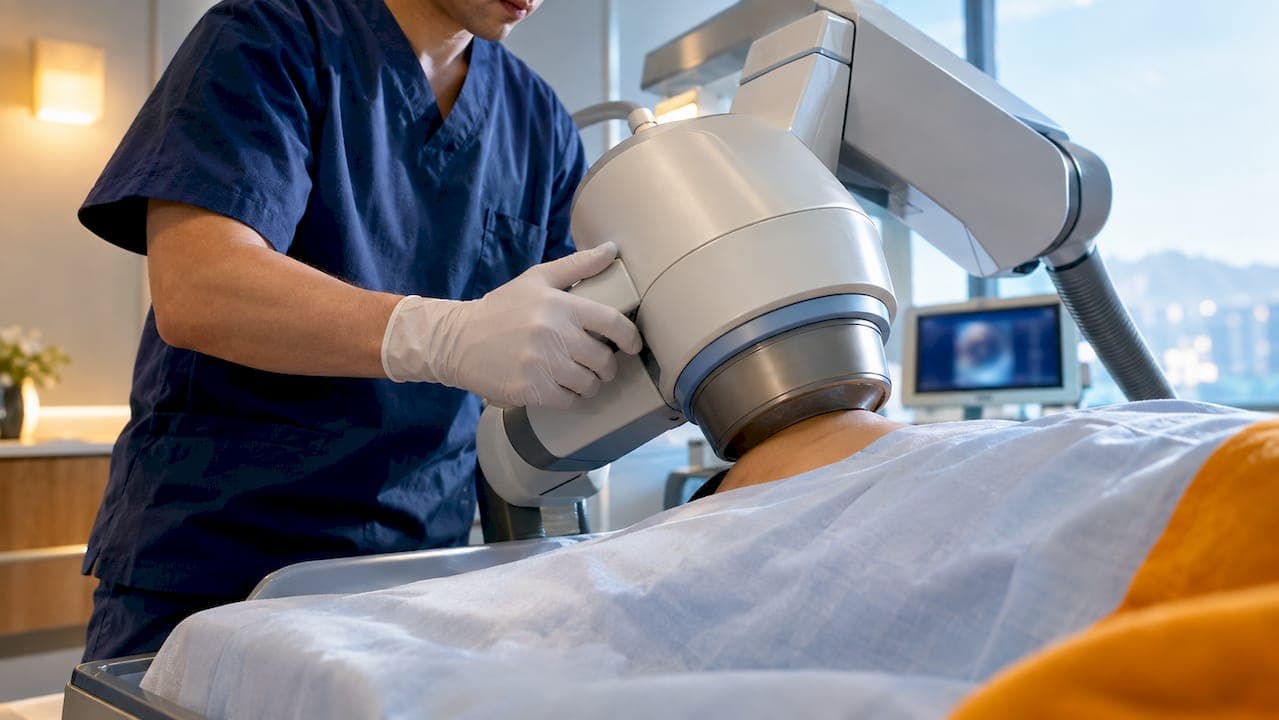
Most small kidney stones pass on their own with fluids and pain control, while larger or obstructing stones typically require a procedure such as ESWL, ureteroscopy, or PCNL. Clinicians choose among these paths based on three factors: stone size, its location in the urinary tract, and its chemical composition. The practical next steps are almost always the same regardless of stone type: imaging to confirm size and position, pain management, and a referral to a urologist for evaluation.
Table of Contents
-
Kidney Stone Treatment Options: From Watchful Waiting to Surgery
-
Waiting Times and the Kidney Stone Treatment Timeline in Macau
Kidney Stone Treatment Options: From Watchful Waiting to Surgery
Treatment decisions hinge on how big the stone is, where it sits, and what it is made of. Clinical guidance from the National Institute of Diabetes and Digestive and Kidney Diseases (NIDDK) frames the main options around exactly these variables, and understanding each one helps you follow what a urologist recommends and why.
Conservative care and watchful waiting. Stones smaller than about 5 millimeters often pass without intervention. The standard approach includes drinking enough fluid to produce about two liters of urine a day, taking an over-the-counter pain reliever like ibuprofen or naproxen, and in some cases using an alpha-blocker such as tamsulosin off-label to relax the ureter and ease passage.
Medication-based dissolution. This option works only for uric acid stones. Alkalinizing agents like potassium citrate or sodium bicarbonate raise urine pH enough to dissolve these stones over weeks, sometimes paired with allopurinol to reduce uric acid production. Calcium-based stones, which make up the majority of cases, do not respond to dissolution therapy and require fragmentation or physical removal instead.
Extracorporeal shock wave lithotripsy (ESWL). ESWL uses focused shock waves delivered through the skin to break a stone into fragments small enough to pass naturally. It works best on stones under roughly a couple of centimeters located in the kidney or upper ureter. Sessions typically run 30 to 60 minutes and are usually done as outpatient procedures under local or general anesthesia. Fragments sometimes need more than one session, and a temporary stent may be placed to help clear debris.
Ureteroscopy (URS) and cystoscopy. A thin scope passes through the urethra and bladder up into the ureter or kidney, where a laser fragments the stone and a small basket retrieves the pieces. URS suits stones anywhere along the ureter, including locations ESWL can’t reach effectively, and generally allows same-day discharge with a short recovery.
Percutaneous nephrolithotomy (PCNL). For stones larger than 2 centimeters or complex staghorn stones filling the kidney, surgeons access the kidney directly through a small back incision. It requires general anesthesia and typically a one to two night hospital stay, though mini-PCNL techniques have narrowed the gap in recovery time compared to older approaches.
-
Conservative care: days to a few weeks, minimal downtime
-
ESWL: outpatient, days of mild discomfort
-
URS: outpatient, one to two days of recovery
-
PCNL: inpatient, one to two weeks before returning to normal activity
After any procedure, doctors often send stone fragments for lab analysis and schedule imaging to confirm the kidney is clear, since knowing the exact composition shapes prevention afterward.
How Doctors Decide Which Kidney Stone Treatment You Need
Urologists work through a structured framework, not a guess. Size sets the starting point: stones under a few millimeters usually get watchful waiting, with some intermediate sizes falling into a mixed zone depending on symptoms and location, and stones over 10 millimeters more often need a procedure.
Location matters just as much. A stone in the kidney or upper ureter often responds well to ESWL, while one lodged in the mid or lower ureter is frequently better suited to ureteroscopy because the scope can reach it directly. Diagnosis typically starts with a non-contrast CT scan or ultrasound, plus a urinalysis. If you’ve had stones before, your doctor may add stone analysis and a 24-hour urine collection to identify what’s driving recurrence.
Timing carries real weight. Most clinicians give a small stone up to four to six weeks to pass before considering it “stuck,” but fever, uncontrolled pain, or worsening kidney function shortens that waiting time immediately.
Bring these questions to your appointment:
-
What size and location is my stone, and how does that affect my options?
-
Is this a candidate for watchful waiting, or should we plan a procedure now?
-
What is the stone likely made of, and does that change treatment?
-
What are the risks and recovery time for the option you’re recommending?
-
What prevention steps should I start now, before results confirm the stone type?
Pro Tip: Ask for a copy of your imaging report and stone measurements in millimeters. Bringing that number to a follow-up visit or a second opinion saves time and avoids repeat scans.
Preventing Kidney Stones From Coming Back
Recurrence is common enough that prevention deserves as much attention as the initial treatment. Clinical sources note that recurrence risk can be substantial within 10 years without preventive measures for people who don’t make changes, which is exactly why follow-up testing matters as much as the procedure itself.
The core prevention plan is straightforward:
-
Drink enough water to produce close to 2 liters of urine daily, spread throughout the day rather than in one sitting.
-
Keep sodium intake moderate and within recommended daily limits, since excess salt increases calcium in the urine.
-
Moderate animal protein intake, particularly red meat, which raises uric acid and calcium excretion.
-
Add citrate-rich foods like lemon water, which helps prevent crystals from binding together.
-
Limit oxalate-heavy foods (spinach, nuts, chocolate) only if your stone analysis shows calcium oxalate composition.
For patients with confirmed metabolic risk factors, doctors sometimes prescribe potassium citrate to raise urine citrate, thiazide diuretics to reduce urinary calcium, or allopurinol for recurrent uric acid stones. None of these are one-size-fits-all. Stone analysis combined with a 24-hour urine test is what tells your doctor which medication, if any, actually fits your case.
When Kidney Stone Symptoms Become a Medical Emergency
Certain signs mean you should go to an emergency department immediately rather than waiting for a scheduled appointment.
-
Fever or chills combined with back or flank pain, which can signal an infected, obstructing stone.
-
Inability to urinate or a marked drop in urine output.
-
Severe pain that isn’t controlled by medication, or repeated vomiting.
-
Signs of dehydration such as dizziness, dry mouth, or reduced alertness.
In the emergency department, expect IV fluids, IV antibiotics if infection is suspected, and pain control. If the stone is blocking urine flow and infection is present, doctors will often place a temporary stent or nephrostomy tube to decompress the kidney before addressing the stone itself.
How Globallmed Supports Kidney Stone Evaluation and Care
Evaluating a suspected kidney stone starts with getting the right diagnostic picture quickly, then matching you with a clinician who can act on it. GLOBALLMED Medical Center’s medical clinic department coordinates that process for patients in Macau, from initial consultation through imaging referral and, when needed, outpatient procedural care.
Services relevant to kidney stone patients include:
-
Urology consultations for diagnosis and treatment planning
-
Coordination of diagnostic imaging to confirm stone size and location
-
Outpatient procedure scheduling and pre/post-procedure guidance
-
Stone composition analysis to guide prevention
-
Follow-up consultations focused on recurrence prevention
Patients typically start by booking an appointment through the clinic’s services page, where staff can also assist international patients navigating outpatient care in Macau. At the first visit, expect a review of symptoms, imaging results if already available, and a discussion of realistic next steps based on your specific stone.
Where to Get Kidney Stone Treatment in Macau
Macau’s outpatient medical sector includes private clinics offering urology consultations, diagnostic imaging, and same-day procedural care for kidney stones, alongside public hospital services for more complex or emergency cases. Private outpatient centers tend to offer shorter appointment lead times and more predictable scheduling for elective procedures like ESWL or ureteroscopy, which matters when a stone is causing recurring pain but hasn’t yet become an emergency.
Choosing where to get kidney stone treatment in Macau usually comes down to a few practical questions: does the facility have on-site imaging, does it offer urology specialists who perform the procedure you need, and can it coordinate follow-up stone analysis afterward. A clinic that handles diagnosis, referral, and follow-up under one roof cuts down on the back-and-forth that often slows treatment when imaging and procedural care happen at separate locations.
International patients researching kidney stone treatment options in Macau should also confirm whether a facility has multilingual staff and experience supporting patients from outside the region, since paperwork, insurance coordination, and follow-up scheduling get more complicated across borders. Facilities built around outpatient care, rather than solely inpatient hospital services, are generally better suited to the majority of kidney stone cases, which don’t require overnight admission.
Kidney Stone Treatment Cost in Macau
Kidney stone treatment cost in Macau varies widely depending on which procedure you need, whether imaging and lab work are bundled into the visit, and whether you’re treated at a public facility or a private outpatient clinic. Conservative management, which covers imaging, a urology consultation, and pain medication, sits at the lower end of the cost range since no procedure is involved.
Procedural costs scale with invasiveness. ESWL is generally the least expensive procedural option because it’s noninvasive and done on an outpatient basis without a hospital stay. Ureteroscopy costs more due to operating room time and anesthesia, and PCNL carries the highest cost of the three because it requires general anesthesia and an inpatient stay of one to two nights.
Because exact pricing depends on individual case complexity, imaging needs, anesthesia type, and whether follow-up stone analysis is included, patients should request a personalized cost estimate directly from the clinic before scheduling. GLOBALLMED Medical Center’s services page outlines the range of outpatient specialties available, and staff can provide a detailed quote once your imaging and clinical needs are known.
Waiting Times and the Kidney Stone Treatment Timeline in Macau
The timeline for kidney stone treatment in Macau depends heavily on urgency. Patients with an infected or completely obstructing stone are treated as emergencies, with decompression and antibiotics started within hours. Patients with a stable, non-obstructing stone causing manageable pain typically follow a more measured path.
A typical non-emergency timeline looks like this: initial consultation and imaging within days of symptom onset, a follow-up urology appointment to review results and discuss options, and then procedure scheduling if watchful waiting isn’t appropriate. Private outpatient clinics generally offer shorter waits for the initial consultation and imaging steps than larger public facilities, since appointment slots aren’t competing with a broader inpatient caseload.
If a stone is given time to pass on its own, doctors commonly allow four to six weeks before considering additional intervention, provided pain stays manageable and there’s no sign of infection. Patients who need ESWL or ureteroscopy can often have the procedure scheduled within one to two weeks of the decision to proceed, assuming no urgent complications. PCNL, requiring more coordination for anesthesia and inpatient beds, generally takes longer to schedule than the two endoscopic options.
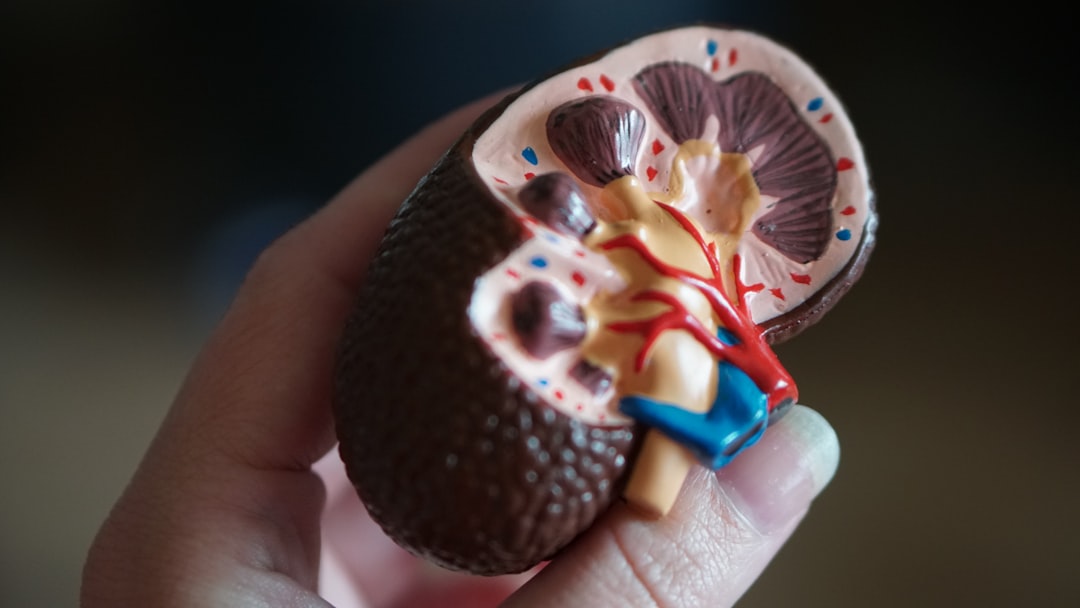
Insurance Coverage for Kidney Stone Treatment in Macau
Insurance coverage for kidney stone treatment in Macau depends on the specific policy, whether it’s a local Macau plan or international health insurance, and whether the facility has a direct billing agreement with the insurer. Patients with international insurance plans should verify in advance which outpatient procedures and diagnostic imaging fall under their coverage terms, since policies vary significantly in how they classify urology procedures.
Direct billing arrangements, where the clinic bills the insurer directly rather than requiring the patient to pay upfront and seek reimbursement, simplify the financial side of treatment considerably. This matters most for costlier procedures like PCNL, where out-of-pocket payment followed by a reimbursement claim can create a real cash flow burden for patients.
Patients without insurance coverage, or those whose plans don’t cover elective urology procedures, should ask for a written cost breakdown before committing to a treatment plan. GLOBALLMED Medical Center works with international and local patients navigating these questions and can clarify what documentation is needed for insurance claims tied to outpatient urology care through its medical clinic department.
Follow-Up Care After Kidney Stone Treatment in Macau
Follow-up after kidney stone treatment isn’t optional, given how often stones recur. The standard protocol includes a post-procedure imaging check, typically within a few weeks, to confirm the kidney is clear of fragments and there’s no residual obstruction.

Stone analysis, when a fragment is available, tells your doctor exactly what type of stone you formed, which shapes every prevention recommendation that follows. Patients with a history of recurrent stones or specific risk factors are often asked to complete a 24-hour urine collection weeks after the acute episode resolves, once things have stabilized enough to give an accurate metabolic picture.
Beyond the immediate post-procedure check, ongoing monitoring usually means a follow-up urology visit within a few months to review prevention measures, adjust any preventive medication based on urine test results, and confirm hydration and diet changes are working. Patients who had a stent placed during ESWL or ureteroscopy need a separate visit scheduled specifically for stent removal, usually within one to two weeks of the original procedure. Skipping this step risks complications, so it’s treated as a fixed part of the treatment plan rather than an optional add-on.
Ready to Talk to a Urologist About Your Kidney Stone?
If you’re dealing with stone-related pain, blood in your urine, or you’ve simply been told you have a stone and aren’t sure what happens next, getting a clear diagnostic picture is the fastest way to reduce anxiety and avoid unnecessary waiting. An outpatient model can enable patients to move from consultation to imaging to procedure planning without the scheduling delays that come with larger inpatient-focused hospitals.

Booking a visit starts with a consultation where a clinician reviews your symptoms, orders or interprets imaging, and outlines whether watchful waiting, medication, or a procedure fits your case. International patients receive support navigating documentation and, where applicable, insurance coordination. Visit the medical clinic department to review available urology services, or explore the full range of specialties on the services page to schedule your first appointment.
This article is general information, not a substitute for advice from a qualified doctor. Consult a qualified healthcare professional about your own circumstances before acting on anything here.
FAQ
How can I flush out a kidney stone without surgery?
Drinking enough water to produce close to 2 liters of urine daily, combined with over-the-counter pain relief and sometimes an alpha-blocker like tamsulosin, helps small stones under 5 millimeters pass on their own without a procedure.
What is the newest treatment approach for kidney stones?
Improvements in mini-PCNL techniques and laser lithotripsy used during ureteroscopy have reduced invasiveness and shortened recovery time for larger stones, expanding outpatient options that weren’t available with older surgical methods.
Can a 7mm kidney stone dissolve on its own?
A stone around 5 millimeters falls in the range where outcomes vary. Uric acid stones of that size can sometimes dissolve with alkalinizing medication like potassium citrate, but calcium-based stones of similar size generally require ESWL or ureteroscopy since they don’t respond to dissolution therapy.
Do doctors still use lithotripsy for kidney stones?
Yes. ESWL remains a standard, widely used option for appropriately sized stones in the kidney or upper ureter, valued for being noninvasive and outpatient, though it’s less effective on very large or very hard stones.
How do I know if my kidney stone needs emergency treatment?
Fever or chills with flank pain, inability to urinate, or uncontrolled pain with repeated vomiting are signs of a possible infected or obstructing stone that requires immediate emergency care rather than a scheduled appointment.