
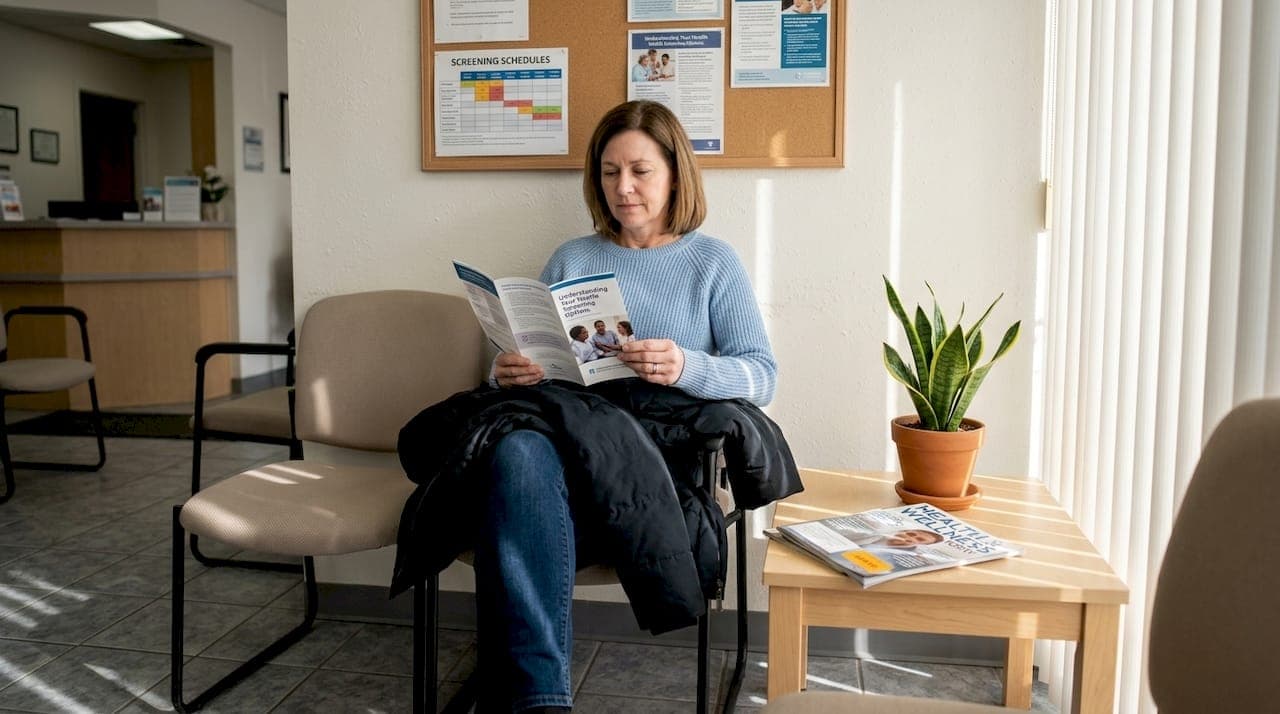
Mixed messages about health screenings are everywhere. One study says mammograms save lives; another questions whether they cause more harm than good. Guidelines shift, doctors disagree, and patients are left guessing. The confusion is real, but so is the evidence. Early cancer diagnosis through screening improves survival rates, reduces mortality, and lowers healthcare costs. This article cuts through the noise to give you a clear, evidence-based picture of what routine screenings actually accomplish, who benefits most, and how to make decisions that fit your personal health profile, whether you’re a local patient or traveling internationally for care.
Table of Contents
-
Why health screenings matter: Life-saving impacts and prevention
-
International health screenings: Efficient, affordable, and comprehensive
-
Risks and nuances: Overdiagnosis, overtreatment, and making smart choices
-
Why smart screening means personalization, not just more tests
Key Takeaways
| Point | Details |
|---|---|
| Screenings save lives | Routine health screenings dramatically improve survival and reduce deaths, especially from cancer. |
| Personalize your tests | Choose screenings based on guidelines and your own risk factors for the best results. |
| International options | Travelers can access comprehensive, affordable packages abroad, but should verify quality and relevance. |
| Beware of overtreatment | Overdiagnosis and unnecessary treatments can occur, so request only evidence-backed tests. |
Why health screenings matter: Life-saving impacts and prevention
The numbers behind health screenings are striking. When cancer is caught at an early, localized stage, five-year survival rates can reach 90% or higher. Catch the same cancer late, and that figure can drop to 5 to 15%. That gap represents real lives, real families, and real futures.
The population-level data is just as compelling. Prevention and screening averted 5.94 million cancer deaths in the United States from 1975 to 2020. That’s not a projection or a model. That’s documented impact. And beyond survival, early detection dramatically reduces the cost and intensity of treatment. A stage I colon cancer resection is far less expensive and physically demanding than chemotherapy and surgery for stage IV disease.
Screenings aren’t limited to cancer, either. Osteoporosis screening prevents fractures that can be life-altering for older adults. Tuberculosis screening protects communities and catches infections before they spread. Cardiovascular risk assessments identify silent hypertension and high cholesterol before a heart attack becomes the first symptom.
Here’s a quick look at the most impactful screening categories:
-
Breast cancer: Mammography for women 40 and older, with annual or biennial schedules depending on risk
-
Cervical cancer: Pap smears and HPV testing for women starting at age 21
-
Colorectal cancer: Colonoscopy or stool-based tests starting at age 45
-
Lung cancer: Low-dose CT for heavy smokers aged 50 to 80
-
Osteoporosis: DEXA scans for women 65 and older, or younger women with risk factors
-
Tuberculosis: Recommended for high-risk groups, including healthcare workers and travelers
“The evidence is clear: routine, guideline-aligned screenings are one of the most cost-effective tools in modern preventive medicine.”
Pro Tip: Use national and international guidelines to identify which screenings are most impactful for your age and risk profile. Resources like the USPSTF website offer free, evidence-based recommendations sorted by condition and demographic. Pairing that with screening for prevention guidance from a trusted clinical team makes the process far less overwhelming.
Key types of health screenings: What to prioritize
Not every test is right for every person. The U.S. Preventive Services Task Force (USPSTF) and the World Health Organization (WHO) both emphasize targeted, evidence-based screening rather than blanket testing for everyone. The goal is net benefit, meaning the advantages of catching disease early must outweigh the risks of false positives, unnecessary procedures, or patient anxiety.

USPSTF recommends screening for certain cancers and osteoporosis in at-risk women with a moderate net benefit. Meanwhile, WHO recommends cervical cancer screening and systematic TB screening for high-risk groups as part of its global health strategy.
Here’s a practical comparison to help you orient your priorities:
| Screening type | Who should get it | Recommended interval |
|---|---|---|
| Mammography | Women 40+ | Every 1 to 2 years |
| Pap smear / HPV test | Women 21 to 65 | Every 3 to 5 years |
| Colonoscopy | Adults 45+ | Every 10 years |
| Low-dose CT (lung) | Smokers 50 to 80 | Annually |
| DEXA scan (bone density) | Women 65+ or high-risk | Every 2 years |
| TB screening | High-risk individuals | As clinically indicated |
Age and personal risk factors are the two biggest drivers of which tests you need. A 35-year-old woman with no family history of breast cancer has very different screening needs than a 55-year-old with a first-degree relative who had the disease.
It’s also worth noting that newer technologies like multi-cancer early detection (MCED) blood tests are generating excitement in research circles. However, these tests are not yet validated for general population use. Promising early data exists, but guideline bodies have not yet endorsed them for routine screening outside of clinical trials.
Pro Tip: Many guideline-recommended screenings are covered by insurance or included in health checkup packages. Before paying out of pocket, check with your insurer or ask your provider about bundled common screening tests that combine multiple recommended evaluations into one visit.
International health screenings: Efficient, affordable, and comprehensive
For international patients or medical tourists, health screenings abroad offer a genuinely different value proposition. Countries like China and Turkey have developed robust medical tourism industries that include full-body checkup packages designed specifically for international visitors.
These packages typically include 100 to 300 or more individual tests, covering blood panels, imaging, cardiac assessments, cancer markers, and more. Results are often available the same day or within 24 hours. International patients benefit from comprehensive checkups in Turkey and China that are up to 80% less expensive than equivalent Western packages, with pricing ranging from approximately $110 to $420 in China and €700 to €900 for VIP-level programs in Turkey.
Here’s a quick comparison of what international packages typically offer:
| Destination | Typical cost | Tests included | Turnaround time |
|---|---|---|---|
| China | $110 to $420 | 100 to 300+ items | Same day |
| Turkey (standard) | €400 to €600 | 80 to 150 items | 1 to 2 days |
| Turkey (VIP) | €700 to €900 | 200+ items, imaging | Same day |
| Western Europe / US | $1,500 to $5,000+ | Varies widely | Days to weeks |
The value is real, but so are the considerations. Before booking an international screening package, think through the following:
-
Accreditation: Is the facility internationally accredited (e.g., JCI or ISO certified)?
-
Guideline alignment: Do the tests match what your home-country guidelines recommend for your age and risk?
-
Language barriers: Is there interpreter support or English-language documentation?
-
Data privacy: How is your medical data stored and shared across borders?
-
Follow-up care: What happens if a result needs further investigation after you return home?
Understanding international standards for healthcare quality is essential before committing to any package abroad. And knowing what makes safe treatments abroad different from risky ones can save you from costly mistakes.
Pro Tip: Check accreditation before you book. A facility with international certification is far more likely to meet the clinical and safety benchmarks you’d expect at home.
Risks and nuances: Overdiagnosis, overtreatment, and making smart choices
Health screenings are not without downsides. This is one of the most important things to understand before signing up for every test available. Screenings can lead to overdiagnosis and overtreatment, especially in breast and prostate cancer, where some detected abnormalities would never have caused symptoms or shortened a person’s life.
The numbers can be sobering. In some cancer types, for every one life saved through screening, up to 10 patients may receive treatment they didn’t actually need. That treatment carries its own risks: surgery, radiation, chemotherapy, and the psychological burden of a cancer diagnosis.
“Shared decision-making between patient and clinician is the gold standard in preventive screening. No test should be ordered without a clear reason tied to individual risk.”
This doesn’t mean screenings are bad. It means context matters. Screening benefits outweigh harms for guideline-recommended tests, but only when applied with a risk-stratified approach. The same NHS screening criticisms that have emerged in public debate reflect this tension: population-level programs must constantly balance benefit against harm.
Here’s how to approach screening decisions wisely:
-
Follow evidence-based guidelines. Stick to what USPSTF, WHO, or your national health authority recommends for your age and risk group.
-
Discuss pros and cons with your doctor. Ask specifically about false positive rates and what a positive result would mean for your treatment path.
-
Consider your personal risk factors. Family history, lifestyle, and prior diagnoses all shift the risk-benefit calculation.
-
Be cautious with unvalidated tests. Newer or less-studied tests may generate anxiety without providing actionable information.
-
Embrace shared decision-making. Your values and preferences matter. A screening that creates unbearable anxiety for a low-risk individual may not be worth pursuing.
Pro Tip: Beware of over-testing, especially with newer or less-validated tests. More data isn’t always better data. Understanding preventive healthcare strategies helps you ask the right questions before agreeing to any test.
Why smart screening means personalization, not just more tests
Here’s the uncomfortable truth that most health content won’t tell you: more testing does not equal better health. The instinct to screen for everything, especially when packages make it easy and affordable, can actually work against you.
We’ve seen this pattern clearly. International checkup packages that include 300 tests sound impressive, but if 200 of those tests have no validated benefit for your age or risk profile, you’re not getting better care. You’re getting more paperwork, more potential false positives, and more decisions to make without a clear framework.
Limited evidence exists for some groups and tests, and international packages, while efficient, should follow local guidelines rather than replace them. The science is clear: guideline-driven, personalized screening outperforms blanket testing on every meaningful outcome.
The smartest patients we work with come in knowing what they need and why. They’ve reviewed the guidelines for their age group, they’ve talked to their doctor about their family history, and they want a plan that’s built around their actual risk profile. That’s the approach worth advocating for.
Pro Tip: Push for only those tests that are scientifically validated for your profile. Use resources like understanding guideline tests to build your case before your appointment. Advocating for your health with confidence is not difficult once you know what the evidence actually says.
Find expert-led, evidence-based health screening solutions
If you’re ready to put these insights into action, Globallmed offers a clear next step. As a private outpatient medical center in Macau, we provide outpatient health services built around international clinical standards and personalized care.
Our team works with both local residents and international patients to build screening plans that are grounded in evidence, not guesswork. Whether you’re looking for a single targeted test or a full preventive checkup packages that covers multiple health areas, our clinicians can help you identify what’s right for your age, risk profile, and health goals. You deserve a screening plan that works for you, not a one-size-fits-all catalog of tests.
Frequently asked questions
What are the main benefits of regular health screenings?
Regular screenings detect diseases early, improve survival rates, reduce mortality, and lower long-term medical costs. Early cancer diagnosis through screening is one of the most well-documented benefits in preventive medicine.
How do I know which health screenings I need?
Follow national and international guidelines based on your age, sex, and risk factors, and consult your healthcare provider for a personalized plan. USPSTF recommends screenings based on net benefit for specific populations, making their guidelines a reliable starting point.
Can health screenings cause harm?
Yes, overdiagnosis and overtreatment are real risks, so choosing evidence-backed tests for your specific risk profile is essential. Screenings may lead to overdiagnosis especially for certain cancers, which is why shared decision-making with your doctor matters.
Are international health checkup packages reliable?
International packages can offer high-quality, affordable care, but you should verify facility accreditation and confirm that the tests align with your individual health needs. International patients benefit from lower costs abroad, but quality and guideline alignment must be verified before booking.