
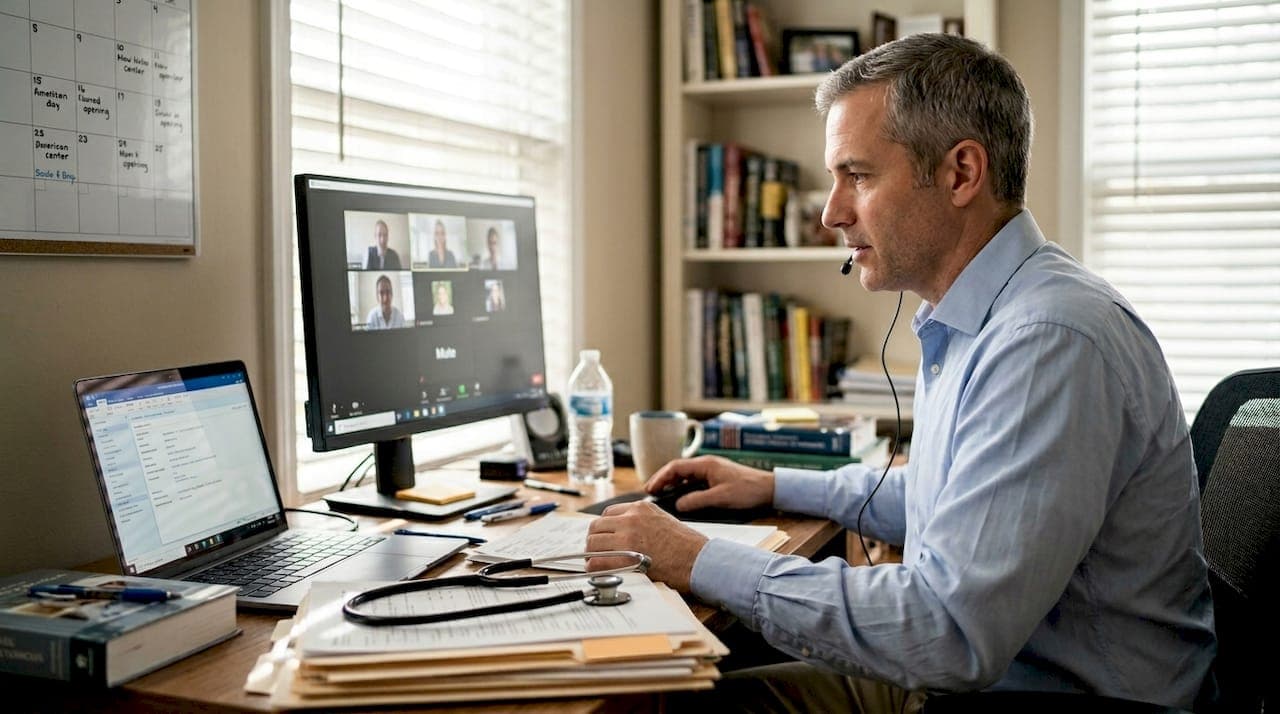
Most people assume outpatient care means showing up in person, sitting in a waiting room, and seeing a doctor face to face. That assumption is quickly becoming outdated. Telemedicine is reshaping how patients receive care outside hospital walls, and the results are striking. Telemedicine reduces inpatient admissions and hospital stays, which means fewer disruptions to daily life and faster access to the care you actually need. For international patients and caregivers navigating medical services abroad, understanding how telemedicine works, and when it works best, is now a practical necessity. This guide walks you through everything.
Table of Contents
-
Understanding telemedicine: What makes it work in outpatient care?
-
Patient experience: Comparing telemedicine vs. traditional outpatient visits
-
Chronic disease and remote monitoring: How telemedicine supports ongoing care
-
Clinical integration: Best practices and challenges for telemedicine in outpatient workflows
-
A fresh perspective: What most guides miss about telemedicine in outpatient care
Key Takeaways
| Point | Details |
|---|---|
| Telemedicine expands access | Virtual platforms let more patients receive outpatient consultations, chronic care, and follow-ups. |
| Patient satisfaction remains high | Telemedicine matches or slightly exceeds traditional visits in patient approval. |
| Chronic disease management improves | Remote monitoring and check-ins empower patients to better manage ongoing conditions. |
| Clinical integration drives efficiency | Structured telemedicine workflows optimize outpatient care but require careful triage and digital support. |
| Equity and access are ongoing challenges | Digital skills and technology gaps still limit telemedicine’s reach for some patients. |
Understanding telemedicine: What makes it work in outpatient care?
Telemedicine is not a single tool. It is a collection of technologies and communication methods that allow patients and clinicians to connect without being in the same room. Understanding these modes helps you know what to expect before your first virtual visit.
There are three core types of telemedicine used in outpatient settings:
-
Synchronous care: Real-time video or audio consultations between a patient and provider. This is what most people picture when they think of telemedicine.
-
Asynchronous care (store-and-forward): Patients send photos, test results, or symptom descriptions to a provider, who reviews and responds later. Common in dermatology and radiology.
-
Remote patient monitoring (RPM): Wearable devices or home tools collect health data, like blood pressure or glucose levels, and transmit it to a care team continuously.
Each mode serves a different purpose, and many outpatient programs combine all three. Telemedicine allows remote consultations, chronic disease management, and follow-ups, making it far more flexible than a single video call.
Here is a quick breakdown of what each mode handles best:
| Mode | Best use case | Patient requirement |
|---|---|---|
| Synchronous | Consultations, follow-ups | Stable internet, device with camera |
| Asynchronous | Skin conditions, lab reviews | Ability to upload files or images |
| Remote monitoring | Diabetes, hypertension, cardiac care | Home monitoring device |
The core benefits for outpatient patients are significant. You avoid unnecessary travel, reduce exposure to other illnesses in waiting rooms, and gain access to specialists who may not be locally available. For caregivers managing a family member’s chronic condition, this kind of flexibility is not just convenient. It is genuinely life-changing.
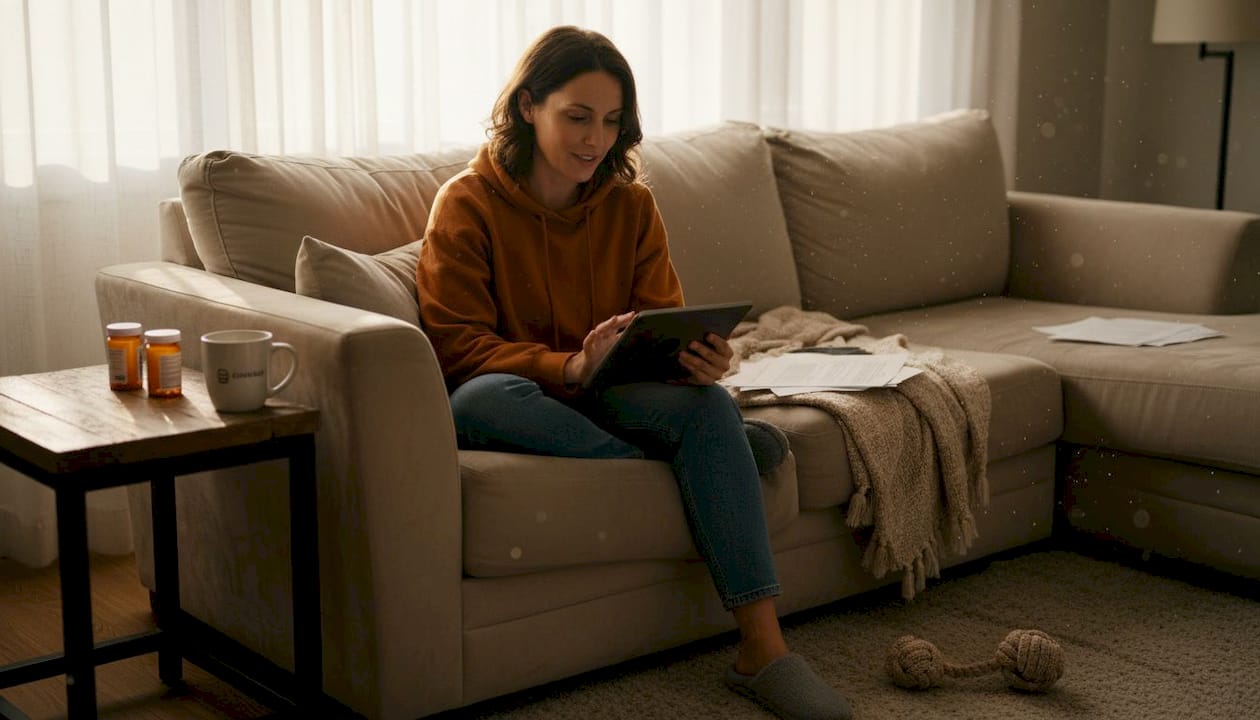
If you are new to outpatient care in general, reading an outpatient procedures Macau guide can help you understand how virtual and in-person services fit together. For a broader view of what is available, explore top outpatient services that combine telemedicine with in-clinic options. Many of these services also align with preventive healthcare benefits, which telemedicine supports particularly well.
Patient experience: Comparing telemedicine vs. traditional outpatient visits
Once you understand how telemedicine works, the natural next question is: how does it actually feel compared to going in person? The answer may surprise you.
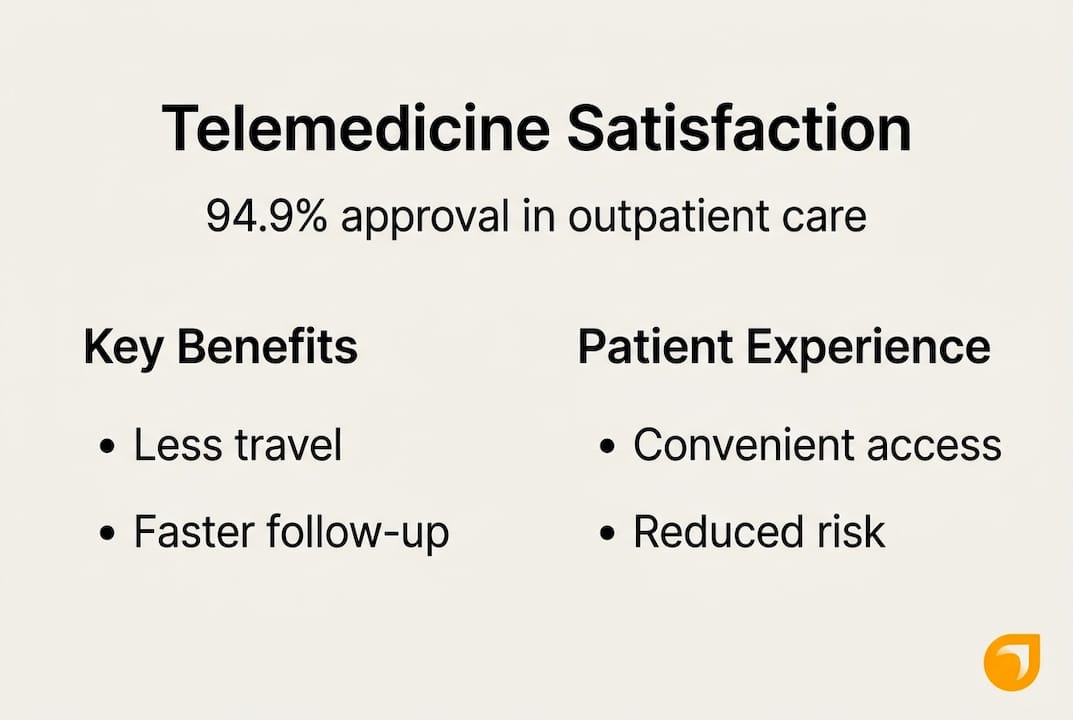
Research shows that satisfaction rates favor telemedicine at 94.9% versus 92.5% for traditional visits, while also reducing hospital admissions and length of stay. That is not a marginal difference. It reflects a real shift in how patients perceive their care experience.
Here is how the typical workflow compares:
-
Booking: Telemedicine appointments are often available same-day or next-day. In-person visits may require days or weeks of wait time.
-
Preparation: Virtual visits require a device check, internet connection, and a quiet space. In-person visits require travel, parking, and check-in time.
-
The visit itself: Video consultations allow providers to assess symptoms, review records, and prescribe treatment. Physical exams are not possible remotely.
-
Follow-up: Both models support follow-up care, but telemedicine makes scheduling and check-ins faster and easier.
“Telemedicine does not replace the clinic. It removes the barriers that stop patients from reaching it.”
That said, telemedicine is not right for every situation. There are real limitations to consider:
| Factor | Telemedicine | In-person visit |
|---|---|---|
| Physical exam | Not possible | Full assessment |
| Wait time | Often shorter | Varies |
| Travel required | No | Yes |
| Complex cases | Limited | Better suited |
| Connectivity issues | Possible | Not applicable |
For international patients who are unfamiliar with local medical standards for outpatient care, telemedicine offers a lower-barrier entry point to get guidance before committing to an in-person visit. You can explore outpatient health services that blend both approaches, and learn how health screening benefits can be partially supported through virtual consultations.
Chronic disease and remote monitoring: How telemedicine supports ongoing care
For patients managing long-term conditions, telemedicine is not just a convenience. It is a clinical tool that changes how care is delivered between appointments.
Remote patient monitoring is especially valuable for conditions like:
-
Hypertension: Blood pressure cuffs transmit readings to your care team, allowing medication adjustments without clinic visits.
-
Diabetes: Continuous glucose monitors share real-time data, helping providers catch dangerous trends early.
-
Heart conditions: Wearable ECG monitors flag irregular rhythms and alert providers before symptoms escalate.
-
Respiratory conditions: Pulse oximeters and spirometry apps track lung function between visits.
Telemedicine supports remote monitoring and follow-up for chronic disease management, which means your care team is not waiting for your next scheduled appointment to notice a problem. They are watching continuously.
Pro Tip: Before your first remote monitoring session, ask your provider exactly which data points they are tracking and what thresholds will trigger a follow-up call. This removes uncertainty and helps you stay engaged in your own care.
Follow-up routines also improve with telemedicine. Instead of scheduling a clinic visit every six weeks, many patients check in via video every two weeks and come in person only when something specific needs to be assessed. This rhythm keeps care consistent without overwhelming your schedule or your caregiver’s.
For patients who want to get ahead of chronic conditions before they become serious, detecting chronic conditions early is a core advantage of combining telemedicine with preventive screening. You can also explore holistic care and prevention approaches that integrate remote monitoring with lifestyle support. For a full view of what is possible, browse chronic care options available through outpatient telemedicine programs.
Key stat: Patients using remote monitoring report faster identification of health changes compared to those relying solely on scheduled in-person visits, reducing the risk of preventable complications.
Clinical integration: Best practices and challenges for telemedicine in outpatient workflows
Knowing that telemedicine works is one thing. Understanding how clinics actually build it into their daily operations is where things get practical for patients and caregivers.
A well-structured telemedicine workflow in an outpatient clinic typically follows these steps:
-
Pre-visit preparation: Patients complete intake forms, upload relevant documents, and confirm their device setup before the appointment begins.
-
Tech check: A brief connection test ensures audio and video are working. Many clinics send a test link 24 hours in advance.
-
Triage and routing: Clinical staff assess whether the visit can proceed virtually or requires redirection to in-person care.
-
The consultation: The provider conducts the visit, documents findings, and issues any prescriptions or referrals electronically.
-
Post-visit follow-up: Automated reminders, care instructions, and next appointment scheduling are sent digitally.
Hybrid models and structured workflows drive sustainable telemedicine integration, particularly when payment parity policies support reimbursement for virtual visits.
However, challenges are real. Telemedicine can slightly increase ED use and reduce necessary testing, and provider burnout is a growing concern in high-volume virtual care settings.
Common pitfalls for patients include:
-
Skipping pre-visit prep and arriving unprepared for the consultation
-
Poor lighting or background noise that disrupts the video connection
-
Assuming telemedicine works for every condition without checking with your provider first
Pro Tip: If you are navigating a hybrid care model, keep a simple health log between appointments. Note symptoms, medication changes, and questions. Bring this to every virtual and in-person visit. It saves time and improves the quality of your consultation.
For a closer look at how appointments are structured, reviewing a health consultation workflow can help you prepare. If you are moving between virtual and in-person visits, understanding the outpatient treatment guide helps you know what to expect at each stage.
A fresh perspective: What most guides miss about telemedicine in outpatient care
Most telemedicine articles focus on technology. Better apps, faster connections, smarter devices. But the real story is about access, and who gets left behind.
Digital divide and skill barriers remain the most underreported limits on telemedicine’s potential. Older patients, those with limited tech experience, and people in lower-income situations often cannot participate fully in virtual care, regardless of how good the platform is. This is not a technology problem. It is an equity problem.
There is also the risk of over-relying on convenience. When patients skip in-person visits because a virtual one is easier, they may miss physical findings that a provider would have caught in the room. Telemedicine is a bridge, not a replacement.
The OECD recommends integrating telemedicine into formal care pathways rather than treating it as a standalone option. That means measurement, accountability, and clear criteria for when virtual care is appropriate. For international patients using international outpatient services, this distinction matters enormously. The best telemedicine programs are not the most technologically advanced. They are the ones that know exactly when to send you back to the clinic.
Discover advanced outpatient care options at Globallmed
At Globallmed in Macau, we bring together telemedicine and in-person outpatient care in one integrated model designed for international patients and caregivers. Whether you need a remote consultation before traveling or ongoing support between visits, our team is built to meet you where you are.
Our outpatient clinic services cover a broad range of medical needs, from specialist consultations to chronic disease management. The medical clinic department handles complex cases with the same standards you would expect from a leading international facility. For patients focused on recovery and balance, our wellness and wellbeing department offers holistic support alongside your medical care. Reach out today to find the right path for your health.
Frequently asked questions
What types of outpatient care can telemedicine support?
Telemedicine enables remote consultations, chronic disease management, and follow-ups, but it is less suitable for physical exams or complex conditions that require hands-on assessment.
Are patient satisfaction rates higher with telemedicine?
Yes. Satisfaction rates reach 94.9% for telemedicine compared to 92.5% for in-person visits, making virtual care a strong option for many outpatient needs.
What are the limitations of telemedicine in outpatient care?
Telemedicine cannot replace hands-on physical exams, and connectivity issues and delays can affect visit quality, particularly for patients in areas with poor internet access.
Does telemedicine improve outcomes for chronic disease patients?
Telemedicine supports remote monitoring and follow-ups for conditions like diabetes and hypertension, helping care teams catch changes early and reduce preventable complications.
Are there any equity or access challenges with telemedicine?
Yes. Lack of digital skills and limited technology access remain significant barriers, particularly for older adults and marginalized communities who may not benefit equally from virtual care programs.