
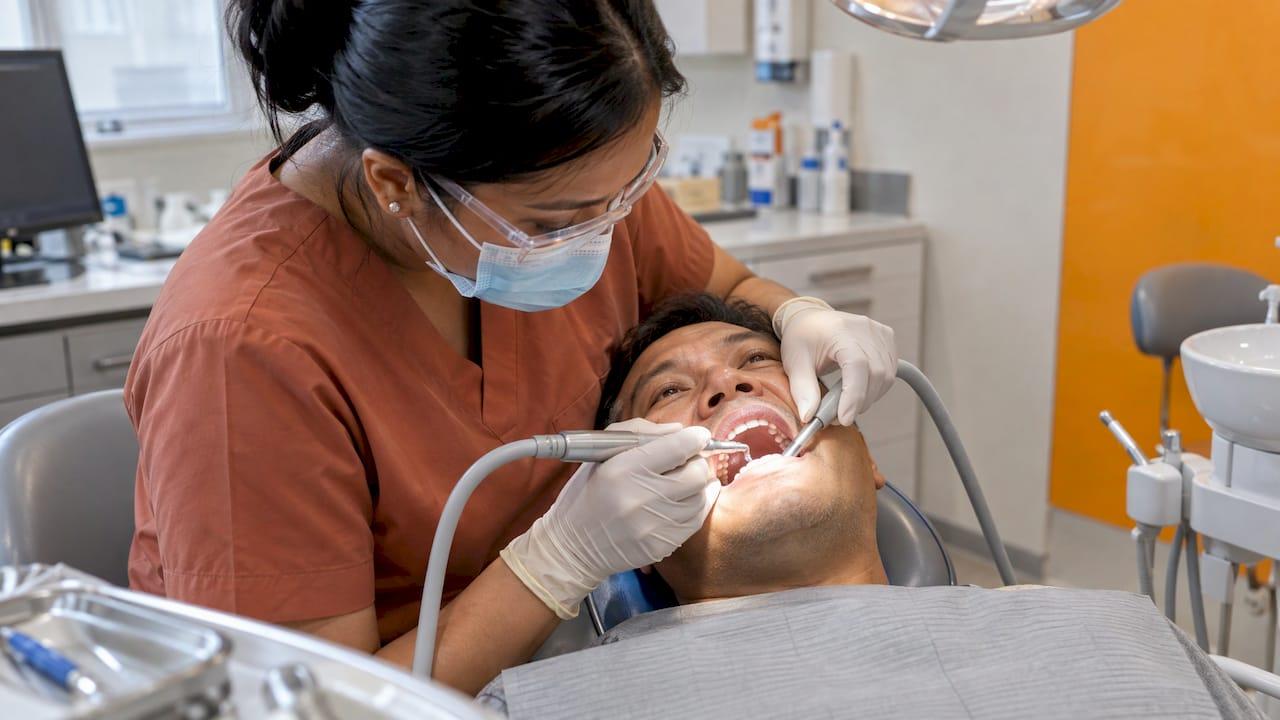
A regular dental cleaning maintains a healthy mouth by removing plaque, tartar and stain from the visible surfaces of the teeth and just beneath the gumline. A deep cleaning, clinically called scaling and root planing, is a treatment for gum disease: it cleans the root surfaces below the gumline, where a standard cleaning cannot reach. The two are not interchangeable, and neither is "better" in every case. The right one depends on the condition of your gums, which only a dentist can assess with an examination and measurements.
This guide explains how the two procedures differ, what each involves, how dentists decide between them, what recovery looks like, how often each is needed and which factors affect the fee. It is written for patients in Macau, Hong Kong and the Greater Bay Area who are weighing a routine visit against a more intensive treatment.
Table of Contents
- The Difference at a Glance
- What a Regular Cleaning Involves
- What a Deep Cleaning Involves
- How Dentists Decide Which Cleaning You Need
- Signs You May Need a Deep Cleaning
- Scaling, Prophylaxis and Deep Cleaning: Clearing Up the Terminology
- What to Expect After Each Procedure
- How Often Do You Need Each Type of Cleaning?
- Why Gum Health Deserves Early Attention
- Teeth Cleaning Cost: What Affects the Fee
- Book a Dental Assessment at Globallmed
- Looking After Your Gums Between Visits
- Frequently Asked Questions
The Difference at a Glance
The table below summarizes the main distinctions. The sections that follow explain each row in detail.
| Feature | Regular cleaning (prophylaxis) | Deep cleaning (scaling and root planing) |
|---|---|---|
| Purpose | Prevention and maintenance in a healthy or mildly inflamed mouth | Treatment of gum disease (periodontitis) |
| Area treated | Tooth surfaces above the gumline, plus a gentle clean at the gum margin | Tooth and root surfaces below the gumline, inside periodontal pockets |
| Typical anesthesia | Usually none | Local anesthetic is commonly used |
| Visits | One visit, usually | One or several visits, often one side of the mouth at a time |
| Finishing step | Polishing | Root smoothing, followed by a review of gum healing |
| Recovery | Little or none | Tenderness, sensitivity and some gum bleeding for days |
| Frequency | Commonly every six months, or as your dentist advises | Often needed once for a given problem, followed by tailored maintenance |
What a Regular Cleaning Involves
A regular cleaning is formally known as a prophylaxis, from the Greek word for prevention. Its aim is to keep a mouth healthy, not to treat an existing infection. It is appropriate when the gums are firm, pink and do not bleed easily, and when there is no measurable loss of the tissue that supports the teeth.
A typical visit follows a clear sequence:
- Examination. The clinician reviews your history and looks at the teeth and gums. Gum measurements are commonly taken as part of the assessment.
- Scaling. Ultrasonic instruments and hand instruments remove plaque and calculus (hardened tartar) from the tooth surfaces and the gum margin.
- Stain removal and polishing. A polishing step smooths the surfaces and removes everyday staining from coffee, tea and tobacco.
- Advice. You receive guidance on brushing technique, interdental cleaning and the interval until your next visit.
Most patients experience little discomfort. Some feel mild sensitivity if the gums were slightly inflamed or tartar was heavy. The visit is generally completed in under an hour.
Why Tartar Cannot Be Brushed Away
Plaque is a soft, sticky film of bacteria that forms on teeth continuously. If it is not removed thoroughly each day, it hardens into calculus within a matter of days to weeks. Calculus is firmly bonded to the tooth and cannot be removed by a toothbrush or floss. It also provides a rough surface that attracts more plaque. This is why even meticulous home care does not replace professional cleaning.

What a Deep Cleaning Involves
Deep cleaning is the common name for scaling and root planing. It is a therapeutic procedure, performed when bacterial deposits have collected beneath the gumline and the gums have started to separate from the teeth. The gap that forms is called a periodontal pocket. Plaque and calculus become trapped in these pockets, where brushing and floss cannot reach, and the infection can progress to damage the bone that holds the teeth in place.
The procedure has two components:
- Scaling removes plaque and calculus from the crown and from the root surfaces inside the pockets.
- Root planing smooths the root surfaces. A smoother surface is harder for bacteria to colonize and allows the gum tissue to reattach more readily to the tooth.
How the Visit Is Organized
Because the work is performed below the gumline, where tissues are sensitive, a local anesthetic is commonly used to keep you comfortable. The treatment is often divided by area of the mouth. Depending on how extensive the disease is, a dentist may treat the whole mouth in one longer session or divide it into two or more appointments, treating one side or one section at a time. Plan for appointments that are noticeably longer than a routine cleaning.
After the treatment, the dentist normally schedules a review several weeks later to re-measure the pockets and check how the gums have responded. This review is part of the treatment, not an optional extra. It determines whether the tissues have healed or whether further care is needed.
How Dentists Decide Which Cleaning You Need
The decision is based on clinical findings, not on how long it has been since your last visit or on preference. Dentists commonly rely on the following:
- Pocket depth. A small probe is placed between the tooth and gum and the depth is recorded at several points around each tooth. Shallow readings of about 1 to 3 millimeters are generally regarded as healthy. Deeper readings suggest that the gum has detached from the tooth and that disease may be present.
- Bleeding on probing. Gums that bleed when measured are inflamed. Persistent bleeding at deeper sites points to active disease.
- X-rays. Radiographs show whether the bone around the teeth has been lost, which cannot be judged by looking at the gums alone.
- Tooth mobility and gum recession. Loosening teeth and gums that have pulled back indicate more advanced disease.
- Calculus below the gumline. Deposits on the roots that cannot be seen but can be detected with instruments.
If these findings are within normal limits, a regular cleaning is the appropriate treatment. If pockets are deep, bone loss is visible and calculus is present on the roots, a regular cleaning would not address the problem and a deep cleaning is generally recommended.
Can You Have a Regular Cleaning Instead?
If your dentist has diagnosed disease below the gumline, a regular cleaning will not substitute for scaling and root planing. A routine visit cleans above the gumline and at the margin. It leaves the deposits in the pockets untouched, and the disease can continue to progress. Where treatment is indicated, the sooner it is performed, the less tissue is typically lost. After the active treatment is complete, regular maintenance visits help keep the gums stable.
Signs You May Need a Deep Cleaning
Gum disease often develops without pain, which is why many patients are unaware of it until it is advanced. Symptoms that warrant a dental examination include:
- Gums that bleed when brushing or flossing
- Red, swollen or tender gums
- Persistent bad breath or an unpleasant taste that does not clear after brushing
- Gums that appear to be shrinking, making teeth look longer
- Teeth that feel loose or have shifted position
- Pus around the teeth or gums
- Changes in the way your teeth fit together when you bite
These signs do not confirm that you need a deep cleaning. Some indicate simple gingivitis, which is the early, reversible stage of gum inflammation and can often be resolved with a thorough regular cleaning and improved home care. Only an examination with measurements can tell the stages apart.
Factors That Raise the Risk of Gum Disease
Several factors make gum disease more likely or more difficult to control: smoking and other tobacco use, diabetes, a family history of gum problems, heavy tartar accumulation, dry mouth, certain medications, hormonal changes such as those in pregnancy, and irregular dental visits. If you have any of these, tell your dentist, as they may recommend more frequent monitoring and cleaning. Patients with diabetes should also discuss their gum health with their physician, as the two conditions can affect each other.
Scaling, Prophylaxis and Deep Cleaning: Clearing Up the Terminology
The vocabulary around dental cleaning is a frequent source of confusion, and clinics use the terms slightly differently. These are the most common usages:
- Scaling is the removal of plaque and calculus using instruments. It is a technique, not a treatment category by itself. A routine cleaning includes scaling, and so does a deep cleaning.
- Prophylaxis refers to the preventive cleaning of a healthy mouth. In everyday speech it is the "regular" or "routine" cleaning.
- Scaling and root planing is the clinical name for deep cleaning. When a patient asks whether scaling and deep cleaning are the same thing, the answer is that deep cleaning is scaling extended below the gumline, combined with smoothing of the root surfaces.
- Periodontal maintenance describes the recurring cleanings that follow active gum treatment. They are more thorough than a standard prophylaxis and are usually scheduled at shorter intervals.
If a quotation or treatment plan uses terms you do not recognize, ask the clinician to explain which areas will be treated and whether the work is above or below the gumline. That one question usually reveals which procedure is being proposed.
What to Expect After Each Procedure
After a Regular Cleaning
You can eat and drink as usual once the visit is over, unless the clinician advises otherwise. Slight gum tenderness or temporary sensitivity to cold may occur, particularly if there was a lot of tartar. These effects typically resolve within a day or so.
After a Deep Cleaning
Recovery is longer, because the gum tissue has been treated while inflamed. Common experiences include:
- Tenderness in the treated areas for a few days
- Some bleeding from the gums, especially when brushing
- Swelling of the gums
- Increased tooth sensitivity to hot and cold, which can last for one to several weeks in some patients
- Teeth that feel slightly different as the gums tighten around them
These effects are generally expected and settle as the tissues heal. Practical measures that help:
- Follow the dentist's instructions on pain relief, and take only medication that is suitable for you.
- Eat soft, lukewarm foods for the first couple of days and avoid very hot, spicy or crunchy items.
- Continue brushing gently with a soft toothbrush, including the treated areas, to keep plaque from re-forming.
- Clean between the teeth daily with the tools your dentist recommends.
- Avoid smoking, which slows healing and increases the chance of disease recurring.
- Attend the scheduled review so that the response of the gums can be measured.
Contact your dentist promptly if you have severe or worsening pain, heavy bleeding that does not stop, fever, or increasing swelling or pus. These are not typical and need assessment.
How Often Do You Need Each Type of Cleaning?
For many healthy adults, a professional cleaning about every six months is a common recommendation, but it is a general interval, not a rule. A dentist may suggest visits every three to four months for patients with a history of gum disease, diabetes, heavy calculus formation, dry mouth or tobacco use. Others with consistently healthy gums may be advised to come at different intervals. Your own interval should be set by your dentist based on your findings.
Deep cleaning is different. It is not a routine service to be scheduled twice a year. It is a treatment for a diagnosed condition. Ideally, a course of scaling and root planing treats the problem, and regular maintenance cleanings combined with good home care then keep the gums stable. Patients who stop maintenance visits after treatment risk a return of disease, and in that case further treatment may be recommended.

Why Gum Health Deserves Early Attention
Gum disease is widespread among adults, and it is a leading reason for tooth loss later in life. In its early stage, gingivitis, the inflammation is limited to the gums and can be reversed. Once it progresses to periodontitis, the supporting bone is gradually lost, and that loss cannot be spontaneously restored. Treatment aims to halt the progression and stabilize what remains.
This is the practical reason to attend regular examinations even when nothing hurts. Early detection typically means simpler, shorter and less costly treatment. A routine check-up that includes gum measurements can find problems at a stage when a regular cleaning and better home care may still be sufficient.
Teeth Cleaning Cost: What Affects the Fee
Patients often ask what teeth cleaning costs in Macau. The honest answer is that the fee depends on which procedure is performed, and that cannot be determined before an examination. We do not publish a fixed price list for dental cleaning on our site, so the most reliable way to obtain a figure is to book a consultation, where the dentist assesses your needs and the clinic can explain the fees for the recommended plan.
The factors that most influence the total are:
- Type of procedure. A regular cleaning is a single, shorter service. A deep cleaning involves more clinical time, anesthesia and follow-up.
- Extent of disease. The number of teeth and areas that require treatment affects how many sessions are needed.
- How the fee is quoted. Deep cleaning is frequently charged by area of the mouth (often by quadrant) rather than as one amount for the whole mouth. When comparing quotations, check whether a stated figure is per quadrant or for the full treatment.
- Additional items. Examination, X-rays, anesthesia and review visits may be itemized separately or included, depending on the clinic.
- Insurance. Some insurance plans cover part of preventive or periodontal care. Coverage varies by plan, so check your policy terms.
For patients who travel to Macau for treatment, we offer multilingual support and direct billing arrangements with major international insurers. Contact us before your appointment to confirm how your own plan applies.
Book a Dental Assessment at Globallmed
If you are unsure whether you need a regular cleaning or a deep cleaning, the first step is an assessment. Our Dental service is part of our medical clinic department, where qualified, government-certified professionals examine your teeth and gums and explain which treatment is appropriate and why. Globallmed is a private outpatient clinic in Macau serving patients of more than 60 nationalities, with multilingual staff and online appointment booking, which makes it practical for residents of Macau and visitors from Hong Kong and the wider Greater Bay Area.
Because our departments operate under one roof, a dental finding can be coordinated with related care when it is relevant. For example, a dentist who identifies risk factors may suggest a broader review with our general practice team. You can find all specialties on our medical clinic department page.
Looking After Your Gums Between Visits
Professional treatment works best when it is supported by daily habits. The following routine is widely recommended by dental professionals:
- Brush twice a day for two minutes with a fluoride toothpaste and a soft brush, angling the bristles toward the gumline.
- Clean between your teeth once a day with floss, interdental brushes or a water flosser, whichever your dentist finds suits your teeth and gaps.
- Replace your toothbrush or brush head about every three months, or sooner if the bristles are frayed.
- Limit frequent sugary snacks and drinks, which feed plaque bacteria.
- Do not smoke. Tobacco is one of the strongest modifiable risk factors for gum disease.
- Attend examinations at the interval your dentist recommends, even if your mouth feels fine.
General health also matters to gum health. Conditions such as diabetes can make gum disease harder to control, and gum inflammation can in turn make blood sugar harder to manage. A periodic health review gives a broader picture. Our basic health check-up packages offer a structured way to review your general health alongside your dental care.
Frequently Asked Questions
Is deep cleaning the same as scaling?
Not exactly. Scaling is the removal of plaque and tartar with instruments, and it is part of both a regular cleaning and a deep cleaning. Deep cleaning refers to scaling and root planing, in which scaling extends below the gumline and the root surfaces are smoothed. When people say "scaling" they usually mean the routine procedure, so confirm with your dentist what exactly is planned.
Is a prophylaxis the same as a regular cleaning?
Yes. Prophylaxis is the clinical term for a preventive cleaning performed on a mouth without significant gum disease. It removes plaque, tartar and stain and finishes with polishing. It is not designed to treat established pockets below the gumline, which is the role of a deep cleaning.
Does a deep cleaning hurt?
The procedure is commonly performed with a local anesthetic, so you should not feel pain during the treatment. Afterward, tenderness, gum bleeding and tooth sensitivity are expected for a few days, and sensitivity can last longer in some patients. Severe or worsening pain, fever or swelling should be reported to your dentist.
Can I skip the deep cleaning and just have a regular one?
If your dentist has diagnosed gum disease below the gumline, a regular cleaning does not treat it, and delaying treatment may allow bone loss to continue. A regular cleaning is appropriate only when your examination shows healthy gums or early, reversible inflammation. Your dentist will make that distinction after measuring your gums.
How long does it take to recover from a deep cleaning?
Most patients feel back to normal within a few days, although gums may take several weeks to settle fully and sensitivity can persist for longer. Soft foods, gentle brushing and avoiding tobacco support healing. The follow-up review confirms how the gums have responded.