
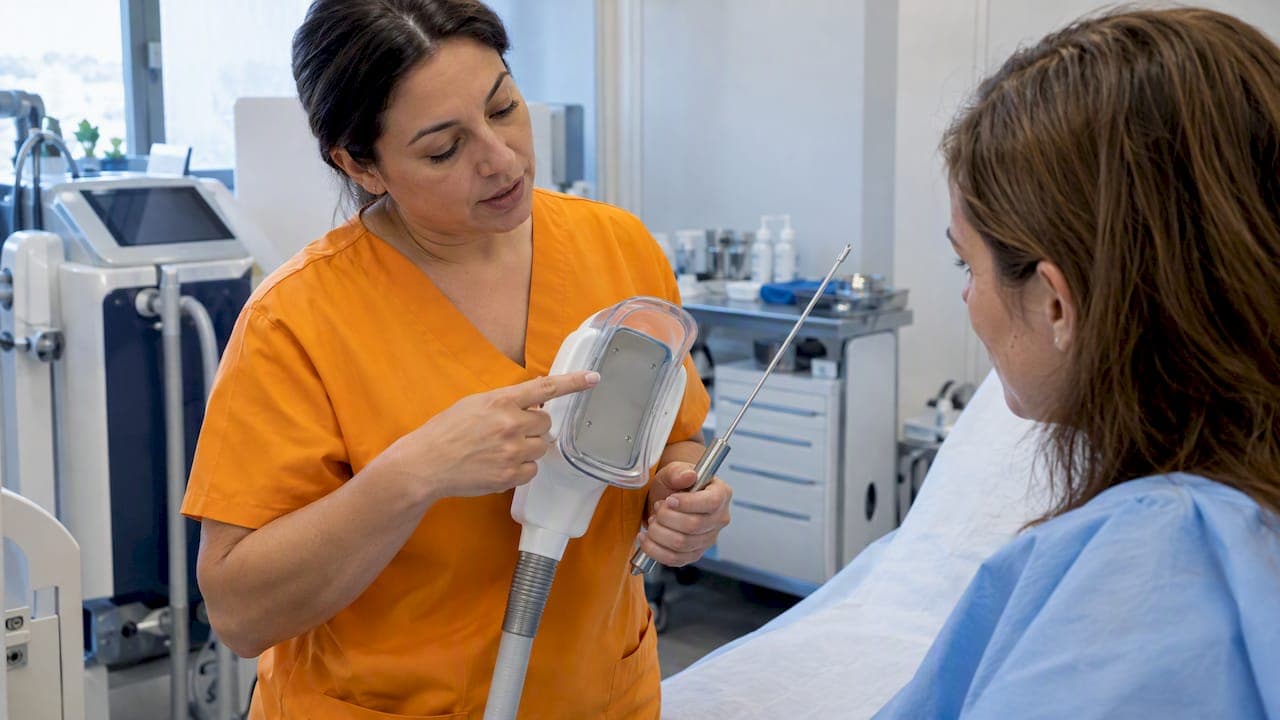
CoolSculpting suits you if you have small, stubborn fat pockets and want a noninvasive option with little downtime, while liposuction suits you if you want larger-volume, more immediate reshaping and can tolerate surgery and recovery. Neither procedure treats obesity or replaces weight loss. Rare but real risks exist with both, so a clinical consultation should guide your decision before you book either treatment.
Table of Contents
- How CoolSculpting works and what results to expect
- How liposuction works, techniques, and recovery
- Comparing CoolSculpting and liposuction side by side
- What to ask before choosing a fat reduction treatment
- GLOBALLMED Medical Center: how we evaluate your candidacy
- Start your consultation at GLOBALLMED Medical Center
- FAQ
How CoolSculpting works and what results to expect
CoolSculpting uses controlled cooling to injure fat cells selectively in a targeted area, after which your body clears the damaged cells gradually over the following weeks. The treatment, known medically as cryolipolysis, is noninvasive and does not involve anesthesia or incisions. It works best on well-defined, pinchable fat pockets such as the abdomen, flanks, thighs, or under the chin, and results depend heavily on how well the applicator fits the treated area and your individual anatomy.
A single session typically lasts 35 to 60 minutes per area, and most people need more than one session to reach their desired look. Visible changes usually begin to appear 3 to 4 weeks after treatment and continue to develop over 2 to 3 months as your body processes the fat cells.
- Common side effects include temporary redness, swelling, numbness, or tingling in the treated area.
- A rare but recognized complication called paradoxical adipose hyperplasia can cause firm, enlarged tissue months after treatment and typically requires surgical correction to resolve.
- CoolSculpting is not designed for large-volume fat removal or for areas with significant loose or sagging skin.
Paradoxical adipose hyperplasia is listed in device adverse event reports as a rare but documented outcome of cryolipolysis, which is why discussing it during a consultation matters before you commit to treatment.
If your goal involves removing a substantial volume of fat or addressing skin laxity along with fat, CoolSculpting alone is unlikely to meet your expectations.

How liposuction works, techniques, and recovery
Liposuction is a surgical procedure in which a clinician inserts a thin cannula through small incisions to suction fat directly from the targeted area. Unlike cryolipolysis, fat is physically removed during the procedure rather than cleared gradually by your body. Several techniques exist, including tumescent liposuction, the superwet technique, and ultrasound-assisted or laser-assisted approaches, and the right choice depends on the treatment area, fat volume, and your surgeon's assessment.
Anesthesia can range from local with sedation to general anesthesia, depending on the extent of the procedure. Facility accreditation and surgeon training are central safety considerations, since outcomes and complication rates are tied closely to patient selection and the volume of fat removed.
- Recovery generally involves wearing compression garments for several weeks and may include lymphatic massage to reduce swelling.
- Most people return to light activity within a few days to a week, though full results are not visible until swelling resolves over several weeks to a few months.
- Surgical risks include bleeding, infection, seroma formation, and risks associated with anesthesia, with larger-volume procedures requiring additional perioperative planning and sometimes overnight monitoring.
Pro Tip: Ask your surgeon how your planned aspirate volume compares to safety thresholds for outpatient procedures, since this directly affects monitoring needs and recovery planning.
Liposuction tends to be the preferred option when you want a larger reduction in fat volume or a more immediate change in body contour than cryolipolysis can deliver.
Comparing CoolSculpting and liposuction side by side
Both procedures are body contouring options rather than weight-loss treatments, and both work best for people who are already near a stable weight. The differences become clear once you compare invasiveness, results, and recovery expectations.
- Invasiveness: CoolSculpting is noninvasive with no incisions or anesthesia, while liposuction is a surgical procedure requiring incisions and some form of anesthesia.
- Results magnitude: CoolSculpting typically produces modest fat reduction in the treated area, while liposuction can remove a larger volume of fat and produce a more dramatic contour change in a single session.
- Timeline: CoolSculpting results develop gradually over weeks to months, while liposuction results become visible more quickly once post-surgical swelling resolves.
- Number of visits: CoolSculpting often requires multiple sessions to reach a desired result, while liposuction is usually completed in one surgical session per treatment area.
- Risk profile: CoolSculpting carries a rare risk of paradoxical adipose hyperplasia, which may require surgical correction, while liposuction carries surgical risks such as bleeding, infection, and anesthesia complications that scale with aspirate volume.
Skin laxity plays a meaningful role in choosing between the two: neither procedure tightens loose skin on its own, so some patients combine either treatment with a separate skin-tightening approach. Setting realistic expectations matters for both options, since professional guidance consistently frames these as contouring adjuncts for people near a stable weight rather than solutions for significant weight loss.
What to ask before choosing a fat reduction treatment
A short checklist before your consultation helps you arrive prepared and ask the right questions.
- Define your goal clearly: are you looking for a modest refinement or a more dramatic volume reduction?
- Review your medical history, including any bleeding disorders, prior surgeries, or conditions that affect anesthesia safety.
- Assess your skin laxity honestly, since significant looseness may call for a different or combined approach.
- Decide how much downtime you can realistically accommodate in the weeks after treatment.
- Set a budget range, keeping in mind that CoolSculpting often requires multiple paid sessions while liposuction is typically a single procedure cost.
When you meet with a provider, ask about their credentials and training, the accreditation of the facility where the procedure takes place, their plan for managing complications, their expectations for your recovery timeline, and their protocol for follow-up visits.
Pro Tip: Be cautious of any provider who skips a medical exam, promises dramatic results without assessing your anatomy, or pressures you to prepay for a package of sessions before evaluating your candidacy.
If you have moderate skin laxity alongside excess fat, ask specifically whether a staged approach, combining body contouring with a separate skin-tightening consultation, fits your situation better than either treatment alone.
GLOBALLMED Medical Center: how we evaluate your candidacy
We bring together the departments relevant to this decision under one roof, including dermatology, plastic surgery, and beauty and wellness services. This structure lets us evaluate your goals from a medical standpoint rather than a purely cosmetic one.
A consultation includes a review of your medical history, a physical exam of the target area, and a tailored recommendation on whether a nonsurgical or surgical approach fits your anatomy and goals.
- Assessment of skin laxity, fat distribution, and medical fitness is performed before recommending either path.
- Realistic timelines and known risks for each option, including rare complications, are explained to help you make an informed decision.
- Coordination with general practice and surgical departments occurs when a case requires broader medical evaluation before proceeding.
You can review the full range of outpatient services to understand how a body contouring consultation fits within a broader care model.
Start your consultation at GLOBALLMED Medical Center
If you are weighing CoolSculpting against liposuction, the most useful next step is a medical evaluation rather than another comparison chart. We offer consultations through our dietetics, dermatology, and plastic surgery department, where a clinician reviews your goals, medical history, and anatomy before recommending a path forward.
This approach fits you well if you want a professional opinion grounded in an actual exam rather than a generic recommendation based on a quiz or online tool. General health check-up packages are available for those seeking a broader health assessment before committing to any cosmetic procedure.
To move forward, book a consultation through the services page to be matched with an appropriate specialist.
This article is general information, not a substitute for advice from a qualified doctor. Consult a qualified healthcare professional about your own circumstances before acting on anything here.
FAQ
Why is CoolSculpting not as popular as it once was?
Interest in CoolSculpting has shifted partly because results are modest compared to surgical options and because awareness of rare complications, including paradoxical adipose hyperplasia, has grown through device adverse event reporting. Some patients also find that achieving their desired result requires multiple paid sessions, which changes the cost and time calculation compared to a single surgical procedure.
Which is better, liposuction or CoolSculpting?
Neither is universally better: liposuction delivers more dramatic, immediate reshaping and suits larger-volume fat removal, while CoolSculpting suits patients seeking modest improvement without surgery or downtime. The right choice depends on your goals, how much fat you want removed, and your tolerance for surgery and recovery, which is why a medical consultation matters.
How much do three sessions of CoolSculpting typically cost?
Published pricing for CoolSculpting varies by provider, treatment area, and region, and no single standard figure applies across clinics. We recommend requesting a personalized quote during a consultation at our beauty and wellness department, where pricing reflects your specific treatment plan.
Can CoolSculpting reduce a belly pooch?
CoolSculpting can reduce a modest, pinchable fat pocket in the abdominal area when the applicator fits the target well, but it is not designed for large-volume abdominal fat or for loose skin following pregnancy or significant weight change. A physical exam is the most reliable way to determine whether your abdominal profile is a good match for cryolipolysis or whether liposuction would serve your goals better.