

Choosing the right health screening tests can feel overwhelming when you're trying to take charge of your personal healthcare. With dozens of tests available and varying recommendations based on age, risk factors, and family history, knowing where to start is challenging. This article breaks down the most common screening tests, explains what to expect from each, and provides a practical framework to help you understand which screenings matter most for your situation. You'll learn how to evaluate tests based on your individual needs, understand recommended frequencies, and make informed decisions with your healthcare provider to detect potential health issues early when treatment is most effective.
Table of Contents
- Key takeaways
- How to evaluate and choose common health screening tests
- Overview of common cancer screening tests
- Important non-cancer health screenings: heart, diabetes, and infections
- Comparing common screening tests: frequencies, benefits, and risks
- Explore tailored health screenings at Globallmed
- Frequently asked questions
Key Takeaways
| Point | Details |
|---|---|
| Early detection benefits | Screenings detect diseases early, improving outcomes and survival rates. |
| Risk based intervals | Screening recommendations vary by age, risk factors, and family history, affecting when and how often you screen. |
| Test specifics and prep | Screening intervals depend on age and risk, such as mammography every two years for many women. |
| Weigh benefits and harms | Benefits should be balanced against risks like false positives and overdiagnosis. |
| Partner with clinician | Consult your healthcare provider to tailor screenings to your personal health and risk factors. |
How to evaluate and choose common health screening tests
Selecting appropriate health screenings requires understanding your personal risk profile and the specific purpose of each test. Your age, family medical history, lifestyle factors, and existing health conditions all influence which screenings provide the most value. A 45-year-old with a family history of colon cancer needs different tests than a 30-year-old with no significant risk factors.
Start by identifying your risk factors through an honest assessment with your doctor. Consider your family's health history, your smoking status, body weight, physical activity level, and any chronic conditions you manage. These factors determine not only which tests you need but also when to start screening and how frequently to repeat them.
Understand what each test measures and how it helps. Blood pressure screening detects hypertension risk, while lipid panels reveal cholesterol levels that predict heart disease. Knowing the test's purpose helps you appreciate its value and commit to recommended follow-up. Screening benefits must balance harms such as false positives and overdiagnosis, so understanding both sides matters.
Consider these practical factors when choosing screenings:
- Required preparation time and dietary restrictions
- Test invasiveness and potential discomfort
- Accuracy rates and likelihood of false results
- Follow-up testing needed if results are abnormal
- Cost and insurance coverage availability
- Frequency of recommended repeat testing
Pro Tip: Schedule annual checkups to review your screening plan with your doctor. Your risk profile changes over time, and new evidence-based guidelines emerge regularly, so yearly reviews ensure your screening schedule stays current and appropriate.
Trust evidence-based guidelines from organizations like the U.S. Preventive Services Task Force (USPSTF) rather than marketing claims or anecdotal advice. These guidelines synthesize thousands of research studies to determine which screenings genuinely improve health outcomes. Your doctor can interpret these recommendations for your specific situation and help you prioritize the most valuable tests.
Overview of common cancer screening tests
Cancer screenings detect abnormal cells or tumors before symptoms develop, when treatment success rates are highest. USPSTF recommends breast, cervical, colorectal, lung cancer screenings with specific age ranges and intervals based on decades of clinical research. Understanding each test's methodology and timing helps you stay current with recommended screenings.
Breast cancer screening through mammography is recommended every 2 years for women ages 40 to 74. Mammograms use low-dose X-rays to detect microcalcifications and masses that might indicate cancer, often years before a lump becomes palpable. Women with family history or genetic mutations may need earlier or more frequent screening, including supplemental MRI imaging.
Cervical cancer screening combines Pap smears and HPV testing for women ages 30 to 65, typically every 3 to 5 years depending on results. The Pap smear collects cells from the cervix to identify precancerous changes, while HPV testing detects high-risk viral strains that cause most cervical cancers. This combination approach has dramatically reduced cervical cancer rates in countries with robust screening programs.
Colorectal cancer screening options include:
- Colonoscopy every 10 years starting at age 45
- Annual fecal immunochemical test (FIT) for blood in stool
- Flexible sigmoidoscopy every 5 years with FIT every 3 years
- CT colonography every 5 years
- Stool DNA test every 3 years
Colonoscopy remains the gold standard because it allows simultaneous detection and removal of polyps. SCREESCO trial showed increased early-stage colorectal cancer detection with FIT and colonoscopy compared to no screening, validating the life-saving value of these tests.
Lung cancer screening with annual low-dose CT scans is recommended for adults ages 50 to 80 who have a 20 pack-year smoking history and currently smoke or quit within the past 15 years. This screening reduces lung cancer mortality by detecting tumors when they're small and potentially curable through surgery. The test takes minutes and uses significantly less radiation than standard CT scans.
Abdominal aortic aneurysm (AAA) screening offers a one-time ultrasound for men ages 65 to 75 who have ever smoked. This quick, painless test checks for dangerous bulging in the main artery supplying blood from the heart. UK AAA screening reduced ruptured AAA deaths about 10%, preventing catastrophic ruptures that are usually fatal.
| Screening Type | Age Range | Frequency | Detection Method |
|---|---|---|---|
| Mammography | 40-74 | Every 2 years | X-ray imaging of breast tissue |
| Cervical (Pap/HPV) | 30-65 | Every 3-5 years | Cell collection and viral testing |
| Colonoscopy | 45-75 | Every 10 years | Visual examination of colon |
| Lung CT | 50-80 (smokers) | Annual | Low-dose computed tomography |
| AAA ultrasound | 65-75 (men, smokers) | One-time | Abdominal ultrasound imaging |
These cancer screenings work best when combined with healthy lifestyle choices. Screening detects problems early, but prevention through diet, exercise, and avoiding tobacco remains your most powerful health tool. Discuss women and child checkups with your provider to ensure family members receive age-appropriate cancer screenings.
Important non-cancer health screenings: heart, diabetes, and infections
Cardiovascular disease and diabetes cause more deaths globally than any cancer, making routine screening for these conditions critical. Unlike cancer screenings that target specific organs, cardiovascular and metabolic screenings assess your overall disease risk through blood tests and blood pressure monitoring. These tests guide preventive interventions that can dramatically reduce your chances of heart attack, stroke, or diabetes complications.
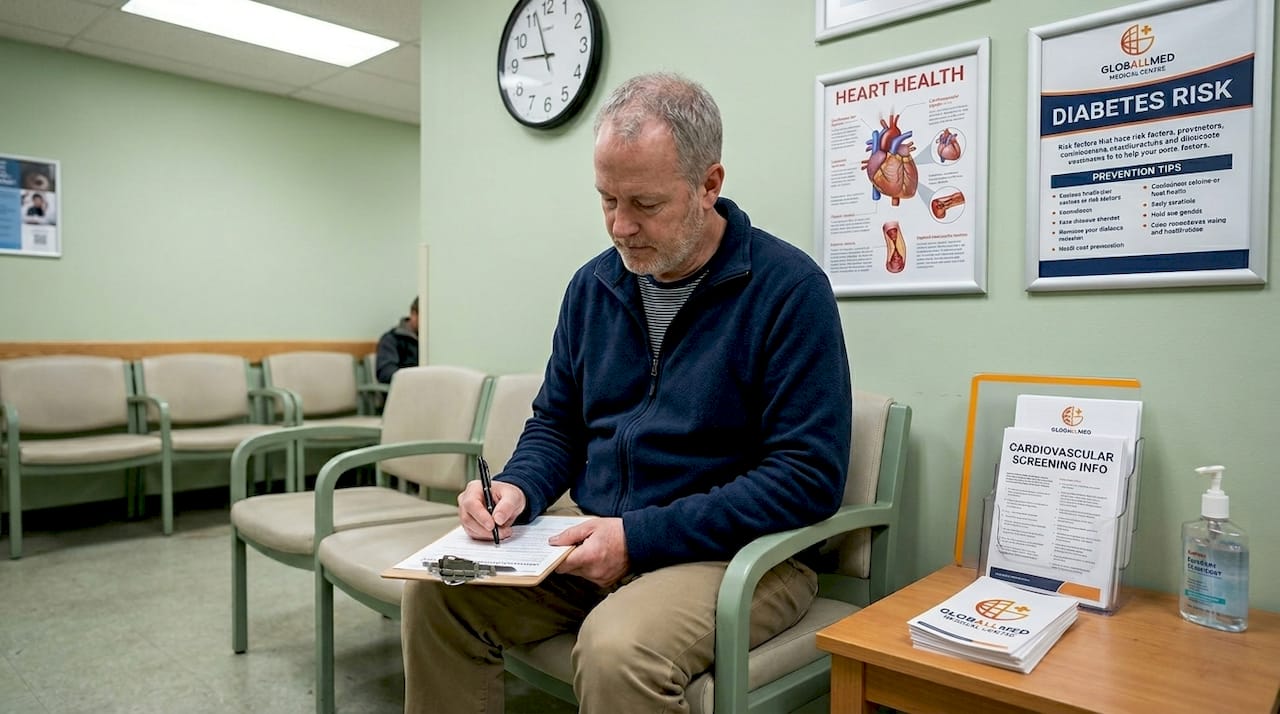
Blood pressure screening is recommended for all adults 18+ with readings confirmed through at-home or ambulatory monitoring before diagnosis. High blood pressure damages blood vessels silently for years before causing heart attacks or strokes. Target blood pressure below 130/80 mmHg reduces cardiovascular risk significantly. Check your pressure at least annually, or more frequently if readings are elevated or you take blood pressure medication.
Lipid panel testing measures total cholesterol, LDL (bad cholesterol), HDL (good cholesterol), and triglycerides to assess heart disease risk. Lipid panels are recommended every 4-6 years for adults ages 40 to 75, though people with risk factors may need more frequent testing. This test requires fasting for 9 to 12 hours before blood draw to ensure accurate triglyceride measurement. Results guide decisions about lifestyle changes or cholesterol-lowering medications.
Diabetes screening tests include:
- Hemoglobin A1c measuring average blood sugar over 3 months
- Fasting plasma glucose after 8-hour overnight fast
- Oral glucose tolerance test measuring sugar processing over 2 hours
Diabetes screening is recommended for overweight or obese adults ages 35-70 every 3 years, with more frequent testing for those with prediabetes or additional risk factors. Early detection allows intervention through diet, exercise, and medication to prevent or delay type 2 diabetes complications like kidney disease, vision loss, and nerve damage.
Infectious disease screenings target common sexually transmitted infections and blood-borne pathogens. HIV screening is recommended for everyone ages 15 to 65 at least once, with more frequent testing for those with risk factors. Syphilis screening is essential during pregnancy to prevent transmission to the baby. Hepatitis C screening is recommended once for all adults ages 18 to 79, as many people contracted the virus decades ago through blood transfusions before screening began.
| Test Type | Target Population | Fasting Required | Frequency |
|---|---|---|---|
| Blood pressure | All adults 18+ | No | Annual minimum |
| Lipid panel | Adults 40-75 | Yes, 9-12 hours | Every 4-6 years |
| Diabetes (A1c/FPG) | Overweight adults 35-70 | Depends on test | Every 3 years |
| HIV | Adults 15-65 | No | At least once |
| Hepatitis C | Adults 18-79 | No | One-time |
Pro Tip: Schedule cardiovascular screenings in the morning after an overnight fast to meet testing requirements and get results faster. Bring a list of all medications and supplements to your appointment, as some can affect test results or indicate the need for additional screening.
These screenings provide actionable information that empowers you to make changes before disease develops. Abnormal results don't mean you have disease, they signal the need for closer monitoring or preventive treatment. Regular basic checkups ensure you stay current with recommended screenings as guidelines evolve.
Comparing common screening tests: frequencies, benefits, and risks
Every screening test involves trade-offs between potential benefits and possible harms. Understanding these trade-offs helps you make informed decisions aligned with your values and health priorities. Screening benefits include mortality reduction up to 30% for certain cancers, but risks include false positives and procedural harms that cause anxiety and unnecessary follow-up testing.
Screening frequency varies dramatically based on test type and individual risk factors. Annual blood pressure checks contrast sharply with one-time AAA ultrasounds or decade-long intervals between colonoscopies. More frequent testing isn't always better, as it increases false positive risks and healthcare costs without proportional benefit.
Benefits of screening include early disease detection when treatment is most effective, peace of mind from negative results, and opportunities to modify risk factors before disease develops. Mammography reduces breast cancer deaths by detecting tumors at treatable stages. Colonoscopy prevents cancer entirely by removing precancerous polyps. Blood pressure screening identifies hypertension before it causes irreversible organ damage.
Risks and limitations include false positives that trigger anxiety and invasive follow-up testing, false negatives that provide false reassurance, overdiagnosis of slow-growing cancers that might never cause problems, and procedural complications from invasive tests. Colonoscopy carries a small risk of bowel perforation. Low-dose CT scans expose you to radiation. Abnormal mammograms lead to biopsies that ultimately show no cancer in most cases.
| Screening | Population | Interval | Key Benefit | Main Risk |
|---|---|---|---|---|
| Mammography | Women 40-74 | Every 2 years | Detects early breast cancer | False positives, overdiagnosis |
| Colonoscopy | Adults 45-75 | Every 10 years | Prevents and detects colon cancer | Bowel perforation, preparation burden |
| Blood pressure | Adults 18+ | Annual | Identifies hypertension early | False readings, white coat effect |
| Lipid panel | Adults 40-75 | Every 4-6 years | Predicts heart disease risk | Requires fasting, variable results |
| Diabetes screen | Overweight 35-70 | Every 3 years | Detects prediabetes for intervention | False positives, anxiety |
| Lung CT | Smokers 50-80 | Annual | Finds early lung cancer | Radiation exposure, false positives |
Balancing these factors requires honest conversation with your healthcare provider about your personal risk tolerance, health goals, and practical constraints. Some people prioritize comprehensive screening despite false positive risks, while others prefer minimal testing focused on highest-yield interventions. Neither approach is wrong when based on informed understanding.
Your screening plan should evolve as you age and your health status changes. A screening that made sense at 45 might be unnecessary at 75 if you've had consistently normal results and developed other health conditions that limit life expectancy. Conversely, new risk factors like a cancer diagnosis in a close family member might justify earlier or more intensive screening.
Comprehensive screening packages like executive men checkups and executive women checkups bundle multiple tests efficiently, saving time while ensuring you don't miss important screenings. These packages are designed around evidence-based guidelines and can be customized based on your individual risk profile.
Explore tailored health screenings at Globallmed
Taking control of your health through appropriate screening requires expert guidance and convenient access to quality testing. Globallmed offers comprehensive health screening services designed for individuals and families in Macau and international patients seeking world-class preventive care. Our medical clinic services include all major screening tests discussed in this article, performed by experienced healthcare professionals using state-of-the-art equipment.

We understand that choosing the right screenings can be confusing, which is why our doctors take time to assess your individual risk factors, explain test purposes and procedures, and help you interpret results in the context of your overall health. Whether you need comprehensive health checkups covering multiple screening tests or specific targeted screenings based on your age and risk profile, we tailor our services to your needs. Our preventive care packages for men, women, and children ensure every family member receives appropriate screening at the right intervals. Schedule your appointment today to prioritize your long-term health through evidence-based screening.
Frequently asked questions
What are common health screening tests?
Common health screening tests detect diseases before symptoms appear, improving treatment outcomes through early intervention. Major screenings include mammography for breast cancer, colonoscopy for colon cancer, blood pressure checks for hypertension, lipid panels for cholesterol, and diabetes screening through blood sugar tests. These tests are recommended based on age, gender, and individual risk factors.
How often should I get screened for diseases like cancer or diabetes?
Screening frequency varies by test type and your personal risk profile. Mammograms are recommended every 2 years for women ages 40 to 74, while colonoscopy is typically every 10 years starting at age 45. Diabetes screening should occur every 3 years for at-risk adults ages 35 to 70, and blood pressure should be checked annually for all adults. Consult your healthcare provider to create a personalized screening schedule based on your family history and health status.
Are health screening tests always accurate?
No screening test is perfectly accurate. False positives occur when tests suggest disease in healthy people, leading to anxiety and unnecessary follow-up testing. False negatives happen when tests miss actual disease, providing false reassurance. Most abnormal screening results require confirmatory testing through additional procedures or imaging. Your doctor interprets results considering your symptoms, risk factors, and other health information to determine appropriate next steps.
What should I do if my screening test results are abnormal?
Abnormal screening results don't automatically mean you have disease, they indicate the need for further evaluation. Schedule a follow-up appointment with your doctor promptly to discuss results and determine whether additional testing is needed. Many abnormal results turn out to be false positives after confirmatory testing. Follow your doctor's recommendations for repeat testing, specialist referral, or monitoring to ensure any real health issues are caught and treated early.
Which health screenings are most important for me?
The most important screenings depend on your age, gender, family history, lifestyle factors, and existing health conditions. Adults over 40 generally need cardiovascular screenings including blood pressure and cholesterol testing, while cancer screenings become important at various ages based on cancer type. People with diabetes risk factors need blood sugar testing, and sexually active individuals may need STI screening. Discuss your complete health profile with your doctor to identify which screenings provide the greatest value for your situation.